

I almost didn’t test drive this car.
My buddy runs a small BMW-focused detailing shop, and he called me up one Tuesday, saying a customer had dropped off a brand new 2026 M3 Competition for a ceramic coating job and wouldn’t be picking it up until the following Monday. “Come get it dirty for me before I clean it,” he said. I laughed, figured I’d drive it around the block, and ended up putting almost 400 miles on it over four days.
That’s the thing about the M3 Competition. You plan to be casual about it, and then you’re not.
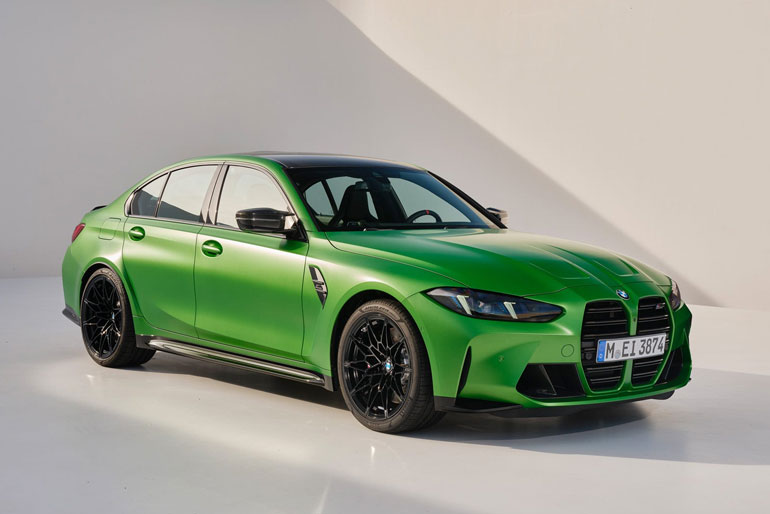
First Impressions Are Weird (In a Good Way)
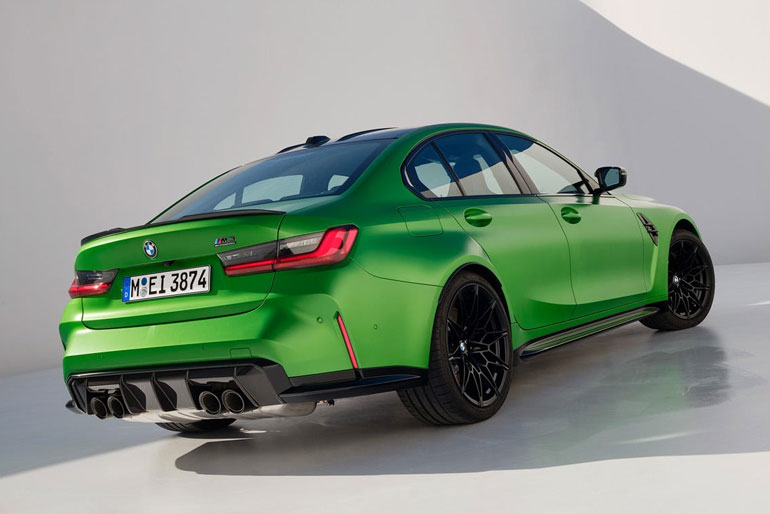
I’ll be honest, the exterior styling took me a minute. The kidney grille on this generation is still big, still polarizing, and in certain colors, it photographs better than it looks in a parking lot under fluorescent lights. In person, on the Isle of Man, Green, my friend had it actually worked. It read as aggressive without looking like it was trying too hard, if that makes sense.
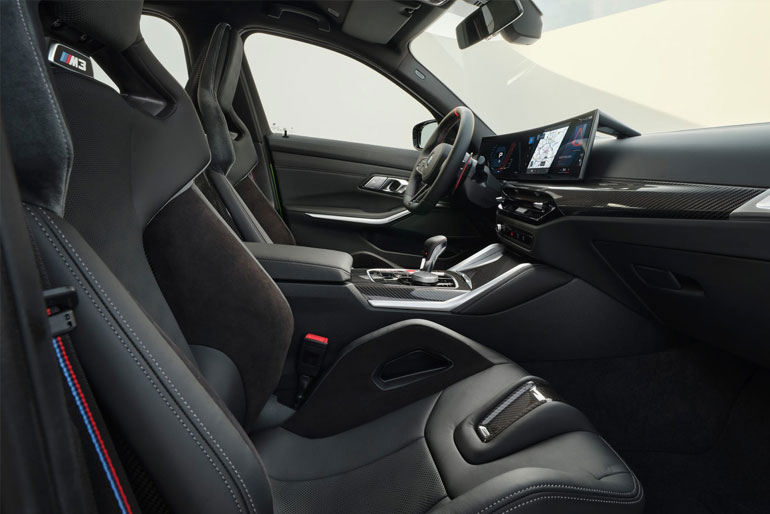
But here’s what nobody tells you until you’re sitting in it: the interior is where BMW actually earned its money this generation. The curved display setup (the combined instrument cluster and infotainment screen) feels less like a tablet bolted to the dash and more like it belongs there. iDrive 8.5 on this thing is quick, no lag when you’re jumping between drive modes and the camera views, which is more than I can say for some competitors in this price range.
Getting Familiar With The Drive Modes (My First Mistake)
I made a rookie mistake on day one. I hopped in, didn’t touch a single setting, and just drove off in whatever mode the car was left in from the dealership. It felt… fine. Comfortable, even a little soft for someone wearing a Competition badge.
It wasn’t until later that night, sitting in my driveway, that I actually went through the M Mode settings properly. Big difference. Here’s basically what I did, and I’d recommend anyone picking one of these up (owned or rented) to do the same before judging the car:
Step 1: Set up your M1 and M2 buttons on the steering wheel first
Don’t leave the factory defaults. I set M1 to a “daily” profile — comfort suspension, sport steering, sport engine mapping, and stability control fully on. M2 became my “let’s have some fun” profile — sport-plus suspension, track-focused throttle mapping, and M Dynamic Mode instead of full traction control off.
Step 2: Actually turn off adaptive cruise for a stretch and drive it manually
Sounds obvious, but with all the driver assist stuff running, you can go days without really feeling what the chassis is doing. Once I turned it off on a back road with zero traffic, the difference in how connected I felt to the car was noticeable.
Step 3: Try the exhaust flap settings separately from the drive mode
This one surprised me. BMW lets you decouple the exhaust sound settings from your overall drive mode now, so you can run a comfort suspension setting but still get the loud pops on lift-off. I didn’t realize this was separate until I dug into the menu on day two, and it completely changed how I used the car for regular errands.
The Engine: Still a Straight-Six, Still Ridiculous
Under the hood, you’re getting the S58 twin-turbo inline-six, and in this Competition trim, it’s putting down output that genuinely surprises people who haven’t kept up with what modern turbo sixes can do. It’s not the scream of the old naturally aspirated V8 or the high-revving S65 from the E90 generation, and if you’re chasing that nostalgia, you won’t find it here.
What you do get is a wall of torque that shows up early and just doesn’t let go. I merged onto a highway on-ramp behind a slow-moving truck, dropped it into M2 mode, and the gap that opened up in about two seconds was honestly a little startling. My friend, sitting in the passenger seat, just said, “Yeah, that’s the M3 for you,” like it was the most normal thing in the world.
Real Talk: The Ride Quality Debate
Here’s where I want to be straight with you because a lot of reviews gloss over this. The Competition suspension, even in comfort mode, is firm. Not uncomfortable, not punishing, but firm in a way that you feel over rough pavement or expansion joints on bridges.
If your daily commute involves genuinely bad roads — potholes, cracked asphalt, the kind of stuff you find in older parts of a lot of cities — you’re going to notice it more than you would in, say, a base 330i or even a non-Competition M3. It’s a trade-off for the sharper handling, and I think it’s worth it, but I’ve talked to a couple of owners who wished they’d test-driven it on their actual commute route before buying, instead of just a smooth dealership loop.
My advice: before you sign anything, ask the dealer if you can take it on your normal route home, not just their pre-planned drive loop. Fifteen extra minutes could save you from buyer’s remorse.
Fuel Economy and Running Costs (Nobody’s Favorite Topic, But Necessary)
I’m not going to pretend this car sips gas. Around town, mixed with some spirited driving because, well, it’s an M3, I was seeing numbers in the high teens for combined mpg. On a longer highway stretch, driving reasonably, it improved noticeably, closer to what BMW’s official highway estimate suggests.
If you’re the type who tracks this stuff, I’d recommend using an app like Fuelly or even just the built-in BMW Connected app, which logs your trip data automatically and gives you a real average over time instead of guessing based on one tank.
Insurance is the other cost people underestimate. I had a friend get quotes for a Competition trim versus a base M3, and the difference was more than he expected, partly because of the higher horsepower rating and partly because of repair costs on the carbon-ceramic brake option if you go that route. Worth calling your insurer for an actual quote before you fall in love with a spec sheet.
Common Mistakes I Saw (and Made) With This Car
Skipping the M Drive Professional setup
If your car has this package, spend twenty minutes going through it. There’s a lap timer, drift analyzer, and launch control setup that most people never touch because it’s buried a couple of menus deep.
Ignoring tire pressure for performance driving
I didn’t check this before my first “spirited” drive, and the front end felt vaguer than it should have. Dropped the pressures to BMW’s recommended spec for the specific tire (Michelin Pilot Sport 4S on the car I drove), and the steering feel sharpened up noticeably.
Not adjusting the brake pedal feel setting
Yes, this is adjustable too. There’s a setting for how the brake pedal responds, and the default felt a little too sharp for regular stop-and-go traffic for my taste. Toning it down made daily driving smoother without giving up bite when I actually needed it.
Assuming the back seats are usable for adults on long trips
They’re fine for shorter drives or kids, but I put a six-foot-tall friend back there for a 40-minute drive, and he was not thrilled by the end of it.
Who This Car Actually Makes Sense For
After four days, here’s my honest read. If you want something that can handle a genuine daily commute, occasional track day, and still turn heads doing school pickup, the M3 Competition threads that needle better than almost anything else at its price point right now.
If you’re mostly looking for comfort and don’t care about lap times or launch control, you might be happier and save some money with a lower trim or a different car entirely. There’s no shame in that. Not every car needs to be a Competition.
I gave the keys back on Monday morning with a mix of relief for my wallet and genuine sadness that I wasn’t driving it home. My friend asked if I wanted him to “forget” to call me when the next one comes through the shop.
I told him not to tempt me.