

I’ll be honest with you — I almost didn’t test drive this thing.
My buddy Dave has been chasing M cars for fifteen years, and every time a new one drops, he sends me a link with “THIS IS THE ONE” typed in all caps. I’ve learned to take his enthusiasm with a grain of salt. So when he texted me about the 2026 M2 Competition, I figured it was another one of his moments.
Then I actually drove it. And now I’m the annoying one sending texts.
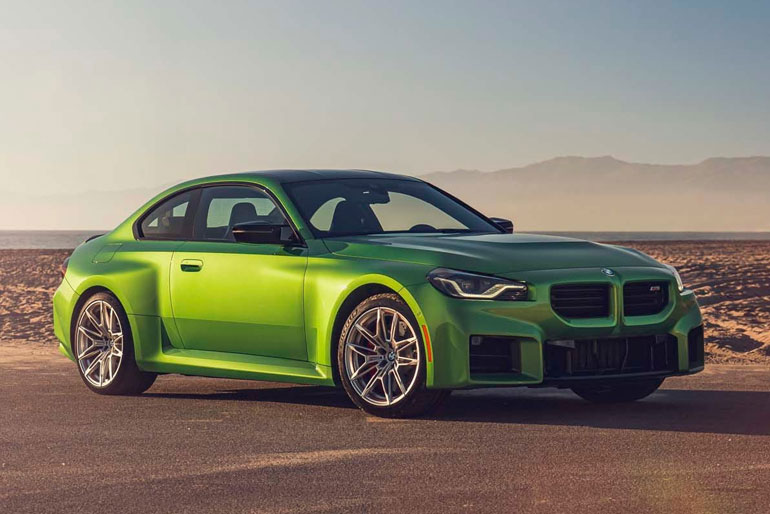
Why This Car Caught Me Off Guard
Here’s the thing about small performance coupes — they usually feel like a compromise. Great engine, cramped interior, or great handling, but a ride that beats up your spine on anything but glass-smooth pavement.
The M2 Competition doesn’t feel like that. It feels like BMW actually sat down and asked, “What if we just built the car enthusiasts keep asking for, without watering it down for everyone else?”
I picked mine up on a Tuesday morning from a dealership about forty minutes outside the city, and the first thing I noticed wasn’t the styling or the badge — it was how normal it felt to just sit in traffic in it. No drama, no harsh idle, nothing that screamed: “Look at me.” That mattered more than I expected, because most days you’re not doing hot laps, you’re just… commuting.
What Actually Stands Out On the Road
Once I got past the city limits and found some open two-lane roads, the personality showed up fast.
The engine note is addictive
BMW’s S58 twin-turbo inline-six under the hood doesn’t just sound aggressive for the sake of it — there’s a mechanical growl at low RPM that turns into something sharper past 4,000. I caught myself downshifting on empty stretches just to hear it again. Not proud of it, but it happened more than once.
Steering feedback is genuinely good
A lot of modern performance cars have gone numb in the wheel because of electric power steering tuning. This one still tells you what the front tires are doing. On a tight corner, you can feel the grip building and fading, which honestly makes you a more confident driver.
The ride is livable
This surprised me the most. I expected to need a chiropractor after a week of daily driving. Instead, even in Sport mode, it soaked up rough pavement patches without rattling my fillings loose. Comfort mode is genuinely comfortable — like, road-trip comfortable.
A Mistake I Made (So You Don’t Have To)
On day two, I left the car in Sport Plus mode and drove it to pick up groceries. Rookie move.
Sport Plus sharpens throttle response so much that even light pedal pressure launches you forward. I nearly rear-ended nothing in particular at a stop sign because I underestimated how twitchy the throttle mapping gets. Lesson learned: match the drive mode to what you’re actually doing. Comfort or Sport for daily errands, Sport Plus for when you actually want to feel every ounce of that 3.0-liter engine’s aggression.
If you’re picking one of these up, spend twenty minutes in an empty parking lot cycling through the drive modes before you take it into real traffic. It genuinely changes how the car behaves, not just how it sounds.
Real-World Fuel Economy (Because Nobody’s Being Honest About This)
Official numbers always look better on paper than they do in your driveway. Over my week, mixing highway commuting with some genuinely spirited weekend driving, I averaged right around 22 mpg combined. If you drive it gently and stick mostly to highways, you can nudge that closer to 26. Push it hard on backroads as I did on Saturday, and you’ll watch that number drop into the high teens fast.
Not shocking for a car with this much power, but worth knowing before you budget your gas money.
Interior: Small Car, Smart Space
I’m 6’1″, and I fit comfortably with room to spare. The front seats — especially if you spring for the optional M Carbon buckets — hold you in place through corners without feeling like a straightjacket. That matters more than people realize; a seat that lets you slide around under hard cornering makes you drive more cautiously than you need to.
Back seats exist, technically. I put my niece back there for a short ride, and she wasn’t thrilled, but for occasional use or smaller kids, it works. This isn’t a family car, and nobody buying one should pretend otherwise.
The tech is where BMW’s newer curved display setup shows up, running iDrive 9. It took me about a day to stop hunting for physical buttons out of habit, but once I adjusted, I actually preferred having climate and drive mode shortcuts pinned to the home screen. If you’re coming from an older BMW, give yourself a little grace period here.
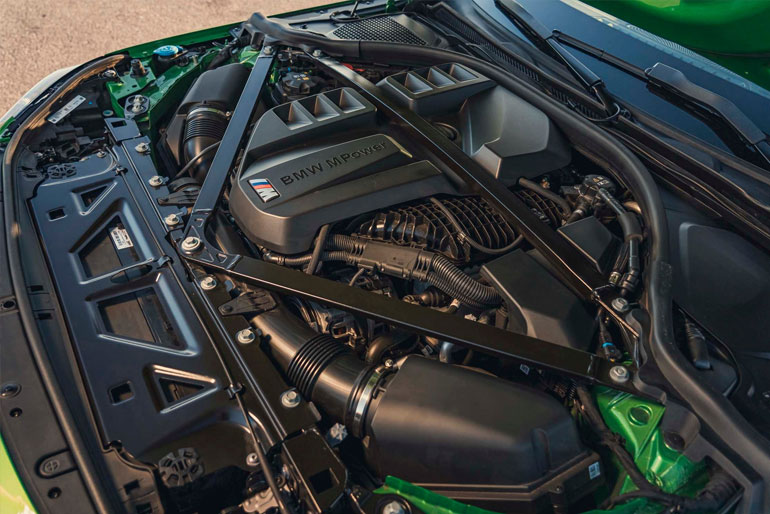
Step-by-Step: Getting the Most Out of a Test Drive
If you’re planning to go test one yourself, here’s what I’d actually recommend doing, based on what I wish I’d done more of:
- Start in Comfort mode and drive it like you normally would for ten minutes. This tells you what daily life with the car actually feels like.
- Switch to Sport and find a curvy road, even a short one. This is where the chassis balance and steering feedback really show themselves.
- Test the brakes hard once, safely, in an empty area. The M Compound brakes bite harder than you expect the first time.
- Sit in the back seat yourself, even briefly. You’ll understand the space trade-offs instantly.
- Check trunk space with something real — a duffel bag, a couple of grocery bags — not just eyeballing it.
- Ask about the manual transmission option if row-your-own gears matter to you. BMW still offers it on this car, which is becoming rarer across the segment, and it changes the entire driving character.
Common Mistakes People Make When Shopping for This Car
I’ve talked to a few other people who bought or test drove the M2 Competition, and there are a few patterns worth flagging.
Comparing it directly to the M4 and expecting the same experience
The M2 is its own animal — more compact, arguably more playful at the limit, but with less rear-seat usability and slightly less refinement at highway speeds. Don’t cross-shop it, expecting an identical feel in a smaller shell.
Skipping the adaptive suspension option
A few trims let you choose between standard and adaptive M suspension. The adaptive setup genuinely earns its keep if you split time between daily driving and weekend fun. Don’t assume they’re interchangeable.
Underestimating insurance costs
This one bit a friend of mine. High-performance coupes with this power output often come with premiums that surprise first-time performance car buyers. Get a quote before you fall in love with the color options.
Ignoring tire costs down the line
The performance tires this car wears aren’t cheap, and they wear faster if you’re using the car the way it’s clearly designed to be used. Budget for it rather than being caught off guard at 15,000 miles.
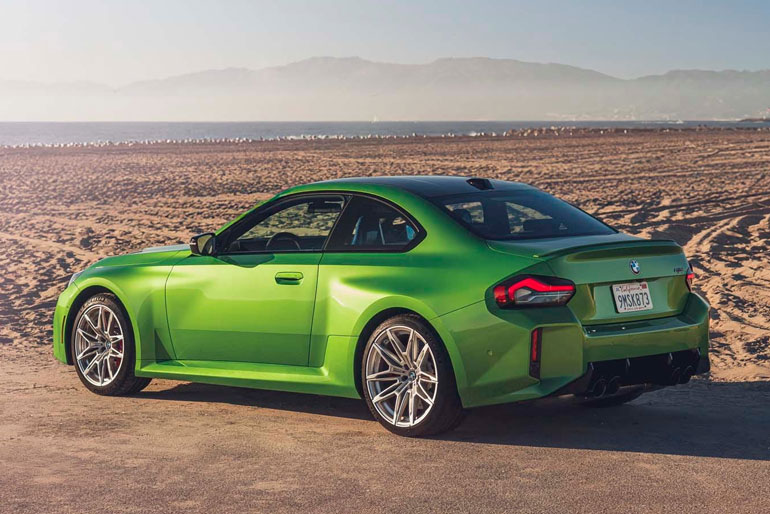
Who This Car Actually Makes Sense For
If you want something that’s genuinely fun on a Saturday morning drive but still tolerable Monday through Friday in traffic, this fits that gap really well. It’s not trying to be a daily-driver family hauler, and it’s not a stripped-down track toy either. It sits right in that sweet spot.
If your priority is rear-seat space or maximum comfort on long highway trips, you’ll probably be happier with something like the M4 or even a well-optioned 3 Series.
Final Thoughts
I went into this expecting another overhyped enthusiast car that photographs better than it drives. Instead, I came away actually wanting one for myself, which almost never happens with review cars — usually I hand back the keys and move on without much thought.
Dave was right this time. I’m still annoyed about it.
If you’re on the fence, just go drive one. Not around the block — actually take it on a real road for twenty or thirty minutes, cycle through the drive modes, and pay attention to how it makes you feel rather than just what the spec sheet says. That’s really the only way to know if this car is for you.