

Last spring, my cousin spent three months agonising over what car to buy. She’d test-driven a Peugeot 2008, nearly pulled the trigger on a used BMW X1, and then — almost randomly — walked into a Ford dealership and drove home in a Puma. “It just felt right,” she told me. I laughed because I’d heard that exact phrase from two other people about two completely different cars that same year.
That’s the thing about the UK car market in 2026. There are so many genuinely good options that “feels right” is doing a lot of heavy lifting. But beneath the gut feelings, there’s real data — and that data tells a fascinating story about where British drivers’ heads are at right now.
SUVs dominate. Hybrids are the sweet spot. Chinese brands are arriving fast. And a couple of old faithfuls are still holding their own. Here’s a proper look at the ten cars that are winning Britain’s roads in 2026 — what they’re like, why people are choosing them, and whether they’re actually worth the hype.
1. Ford Puma — Still the King
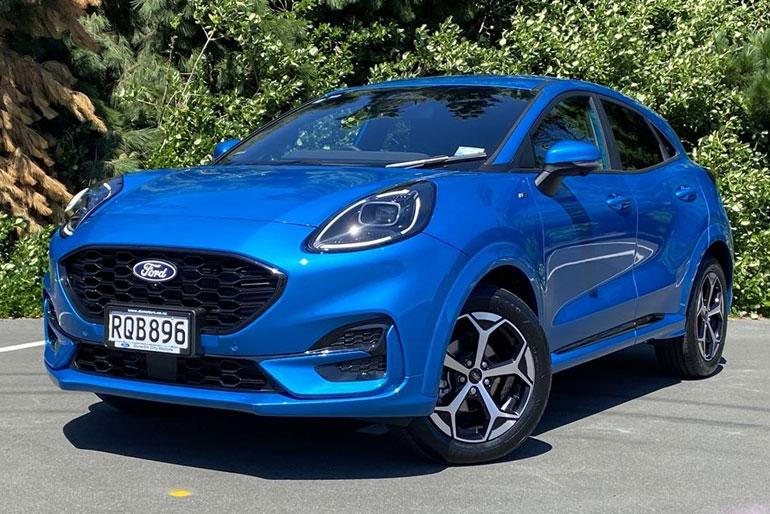
If you’d told someone in 2018 that a small Ford SUV named after a discontinued sports car would be Britain’s best-selling vehicle for multiple years running, they’d have laughed you out of the room. Yet here we are.
The Puma has been sitting at the top of the UK sales charts, and in 2026, it’s showing no signs of loosening its grip. Ford’s Romanian factory recently built its one-millionth Puma, reflecting just how popular this small SUV has become — and the UK is the only market where it’s a best-seller.
So what’s the secret? Honestly, it’s a bit boring to explain, which is probably why it works. The Puma isn’t flashy. It doesn’t make outrageous claims. It’s just genuinely good at everything. Blessed with excellent handling and a huge boot, the Ford Puma is both fun to drive and practical for younger families. Its range of mild hybrid 1.0-litre EcoBoost petrol engines perfectly suit its sporty character, while its comfortable cabin makes it great for urban jaunts and longer motorway trips.
There’s also now a fully electric version — the Ford Puma Gen-E — which opens the door to a whole new type of buyer. If you’ve been sitting on the fence about EVs, having a familiar nameplate on the outside makes the leap feel a lot smaller.
My honest take: the Puma is the Toyota Corolla of its generation. Not exciting enough to talk about at a dinner party, but you’ll be quietly thrilled with it for years.
2. Kia Sportage — The Safe Bet That’s Anything But Boring
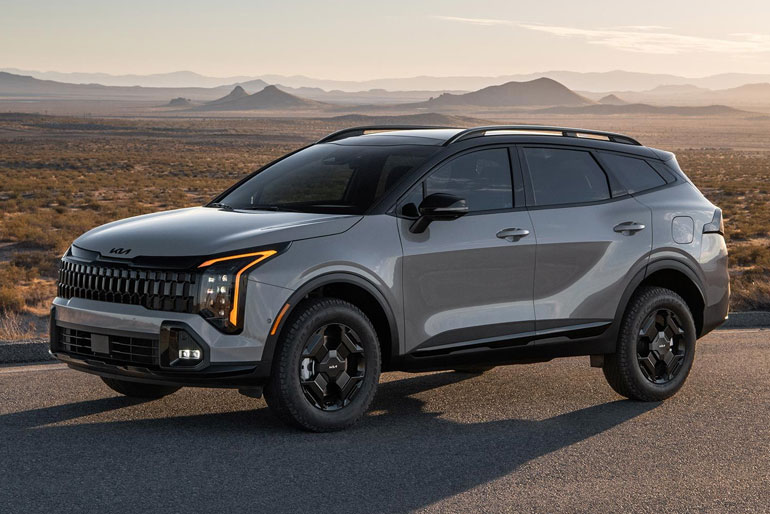
The Kia Sportage has been one of the most consistent performers in the UK market for years, and in 2026, it’s still right up there at number two. The Ford Puma built on its lead in May, opening a roughly 3,000 registration gap over the Kia Sportage — though the battle at the top remains tight.
What Kia has done brilliantly is make a genuinely attractive car. The current Sportage — with its split headlights and bold front end — doesn’t look like a grey compromise. It looks like something you’d actually want to drive. Couple that with Kia’s legendary seven-year warranty, and you’ve got a package that’s incredibly hard to argue against.
It’s also one of the few cars in its class where the hybrid version doesn’t feel like an afterthought. The plug-in hybrid Sportage is properly usable for most people’s daily commutes with its electric range, and the efficiency figures hold up well in real-world mixed driving.
If you’re buying a family SUV and you want to feel confident you won’t regret it two years later, the Sportage is about as safe a choice as the market offers.
3. Jaecoo 7 — The Plot Twist of 2026
Nobody saw this one coming. Well, some people did — but not this fast.
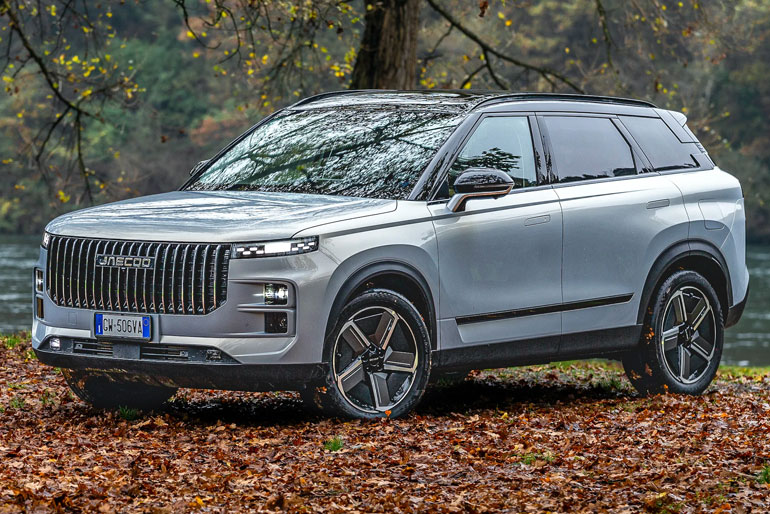
The Jaecoo 7 has only been available in the UK since January 2025, and yet it already finds itself firmly in the top three best sellers, a mid-size family SUV that has more than a whiff of Range Rover Evoque about it. It has quickly earned the nickname “Temu Range Rover” for offering luxury off-road styling at a fraction of the cost, and it topped the registration charts in March 2026, proving that British buyers are increasingly open to new marques.
The Jaecoo 7 is owned by Chinese giant Chery, and in 2026, the combined sales of Chery, Jaecoo, and Omoda would give them second place in the brand rankings if they were sold under a single name. That’s an extraordinary rise.
Is it perfect? Not quite. Buyers clearly care more about its striking looks, swanky interior, generous equipment, and comparatively low price — though it is let down by its subpar driving experience, with an unsettled ride and somewhat sloppy handling.
But here’s the thing — most people in the UK are driving on congested A-roads and supermarket car parks. If the car looks premium, has a good infotainment system, comes loaded with kit, and costs £5,000 less than a comparable European rival, a slightly soft ride is a trade-off a lot of people are happy to make. And the numbers prove it.
4. Nissan Qashqai — The Original That’s Still Going Strong
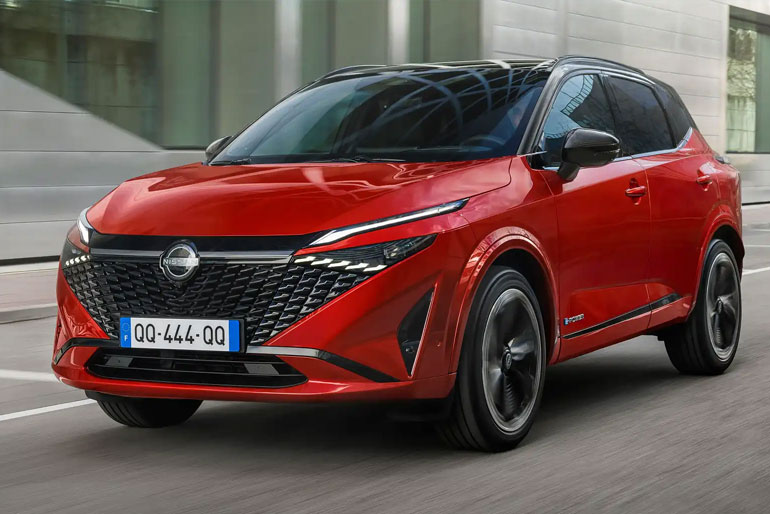
The Qashqai essentially invented the mainstream family SUV category. It arrived in the UK back in 2006 and British drivers have never looked back. The fact that it’s such a big seller shouldn’t come as a surprise — it practically launched the family SUV trend that has taken over the entire car industry.
With 15,699 sales recorded so far in 2026, the Qashqai remains a powerhouse, and it’s built right here in Sunderland. The latest version features the innovative e-Power system — it drives like an electric vehicle but uses a petrol engine as a generator, removing any trace of range anxiety.
That e-Power system is genuinely clever. You get the smooth, quiet delivery of an electric motor without ever needing to plug in. For people who’d love an EV but are anxious about public charging, it’s a brilliant middle ground.
Critics note it’s a mid-size SUV that stays steadfastly sensible while all around it try to win attention with obtuse design — and aside from a tough ride at times, there’s not a huge amount to truly criticise. When the biggest complaint about a car is “it’s not flashy,” you know you’re onto something solid.
5. Vauxhall Corsa — Flying the Flag for Small Cars
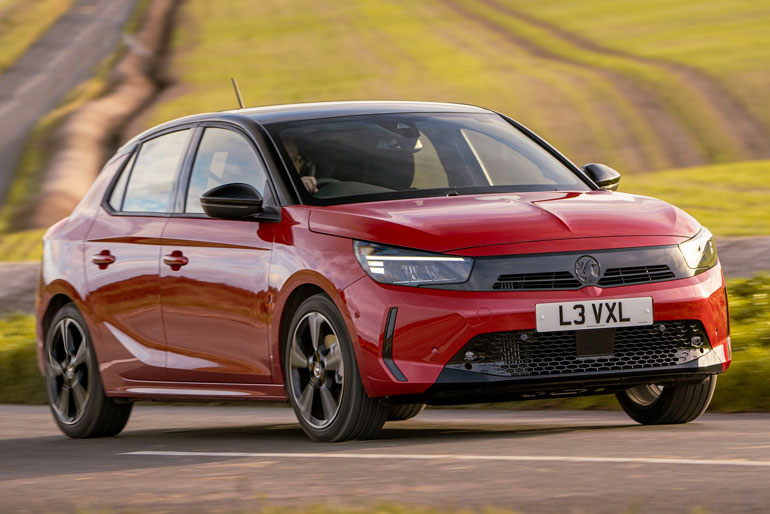
In a sea of SUVs, the Vauxhall Corsa is doing something remarkable: proving that the humble supermini isn’t dead yet.
The Corsa has shifted 12,788 units so far in 2026. While other brands have abandoned the small car segment, Vauxhall has thrived by offering petrol, hybrid, and electric versions. The entry-level ‘Yes’ trim is a particular highlight, offering premium features like heated vegan leather steering wheels and diamond-cut alloys, while the electric version now manages a healthy 255 miles on a single charge — making it a perfect city commuter.
I know someone who bought a Corsa Electric last year and now drives it exclusively in London. Her monthly fuel (well, electricity) bill dropped by about 80% compared to her old petrol hatchback. For urban drivers, the economics are genuinely hard to ignore.
Older Corsas earned a reputation for mediocrity, but this generation drives with genuine poise and precision — more refined, efficient, and comfortable, and it looks smart too. That reputation rebuild has taken years, but the sales figures show it’s working.
6. Volkswagen Golf — The Benchmark, Still Benchmarking
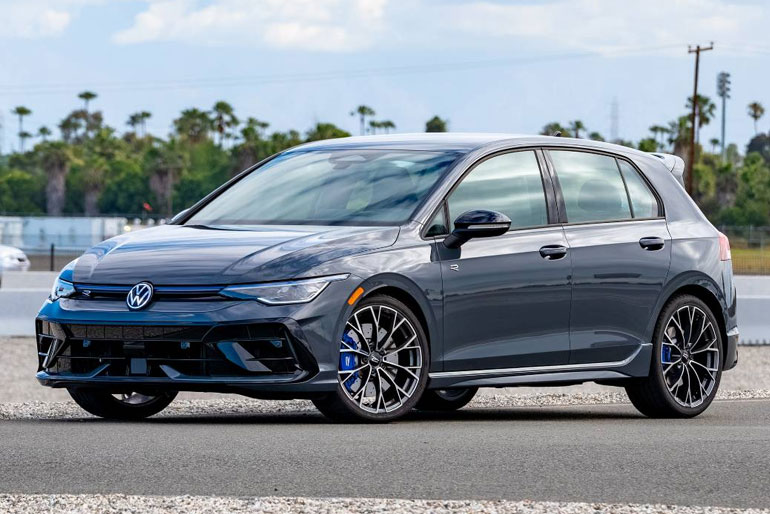
The Golf is one of those cars that doesn’t need an introduction. It’s been one of Britain’s best-selling vehicles for so long that it’s practically part of the furniture. And in 2026, the latest Mk8.5 revision has addressed the biggest complaint buyers had — the fiddly infotainment — and replaced it with a much-improved system. Registrations stand at 12,021 units so far, with the plug-in hybrid offering an impressive 62 miles of pure electric range.
There wasn’t much wrong with the Mk7 Golf, and the Mk8 initially frustrated fans with its confusing touchscreen controls. The Mk8.5 revision has improved that system considerably — better steering, better refinement, and better safety features round out the package.
The Golf earns its place because it’s the car that everything else gets compared to. Comfortable, refined, practical, decent to drive. The PHEV version is especially compelling if you’re a company car driver watching your benefit-in-kind tax bill.
7. Volvo XC40 — Quietly Gaining Ground
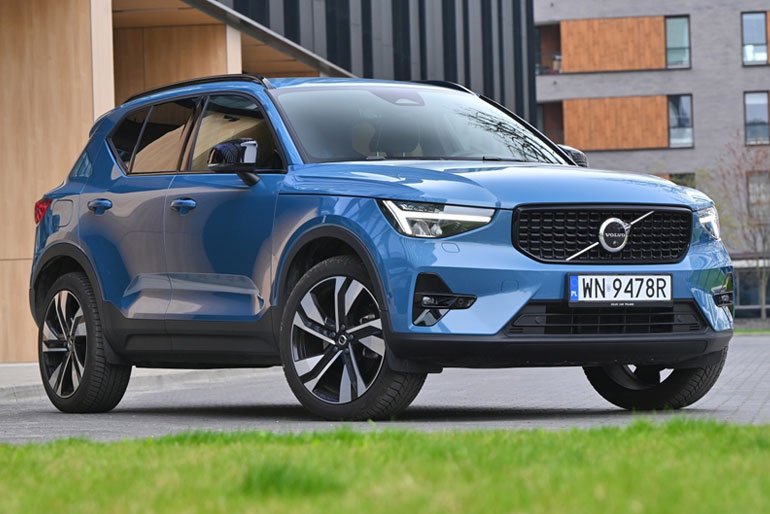
The XC40 is one of the older models on this list — it was originally introduced to the UK market back in 2018 — and yet that’s done nothing to dampen its appeal, with enough units sold to secure seventh place.
The XC40 is an upright and solid SUV rather than one pretending too hard to be a car-like crossover. Volvo has made something nicely distinctive here, and that’s helped by the fact that the values of an SUV correspond well with many of the values Volvo as a brand represents.
In plain English: it feels safe, it looks premium, and it’s not trying too hard. For buyers stepping up from a family hatchback who want something more substantial without spending BMW money, the XC40 is a compelling answer. The electric version — the EX40 — is worth a serious look too if your daily commute is manageable on a single charge.
The XC40 has been increasing in popularity over the last year as a more upmarket alternative to the Ford Puma. That positioning — premium but not ridiculous — is clearly working.
8. MG HS — Value That’s Hard to Argue With
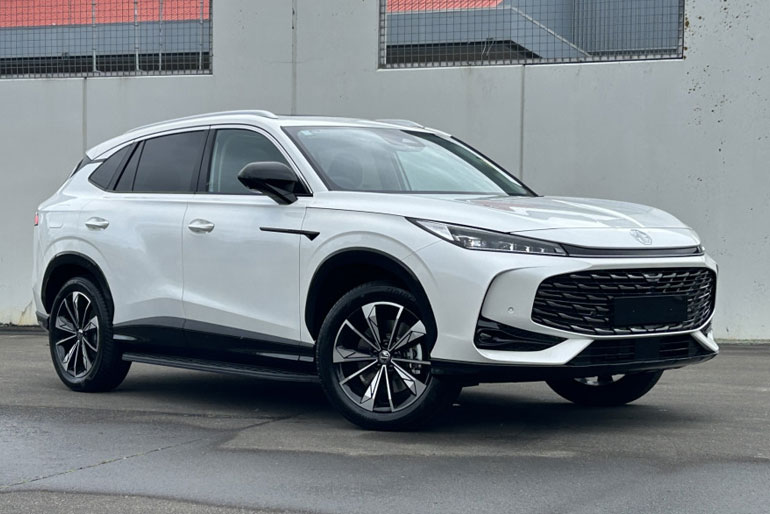
MG is the biggest-selling Chinese car brand in the UK, and the HS is leading the charge. New entrants like MG are disrupting the market, offering high-spec vehicles at competitive prices — and the numbers back that up.
The MG HS is a proper mid-size SUV that, on paper, should cost more than it does. You get a large touchscreen, plenty of safety tech, a spacious cabin, and a plug-in hybrid option that offers one of the longer electric-only ranges in its class. For family buyers on a budget, that combination is extremely attractive.
Critics note the new HS represents a useful step forward — a car whose looks, powertrain, and perception of quality have all improved noticeably over its predecessor. MG is learning fast, and that’s reflected in the cars they’re making now versus even three or four years ago.
Is it as polished as a Kia or a VW? Probably not. But when you’re comparing price tags, that gap closes remarkably quickly.
9. MINI Cooper — British Icon, Thoroughly Modernised
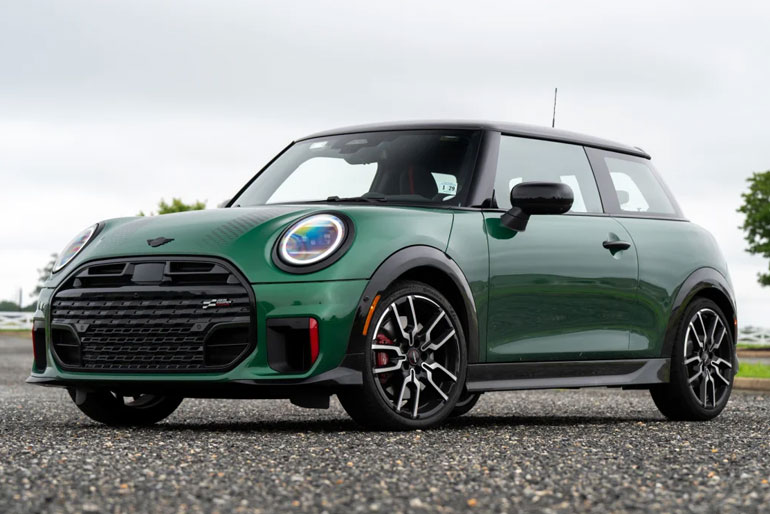
The MINI Cooper is one of only two cars on this list actually built in the UK — the petrol versions are still assembled in Oxford. And in 2026, the 2024 redesign has kept it a top-ten staple with 10,686 sales. It retains the iconic go-kart handling but adds a stunning circular OLED touchscreen as the car’s digital centrepiece. Petrol versions are still built in Oxford, while the new electric models are produced via a partnership in China.
This small car has a lot of history behind it, and even in its fourth generation, it continues to attract buyers. Currently available with petrol or battery electric power, with high-powered John Cooper Works editions also on offer.
The MINI is one of those cars you either get or you don’t. It’s not the most practical choice for a family, and it’s not the cheapest. But if you want something that puts a grin on your face every time you sit in it, and you don’t need to haul a mountain of luggage regularly, there are very few cars at the price that feel as special to drive.
The electric version — the Mini Cooper E — is worth particular attention for urban drivers. Around 150 miles of real-world range, fun handling, and genuinely premium interior quality.
10. Volkswagen Tiguan — The Grown-Up Choice
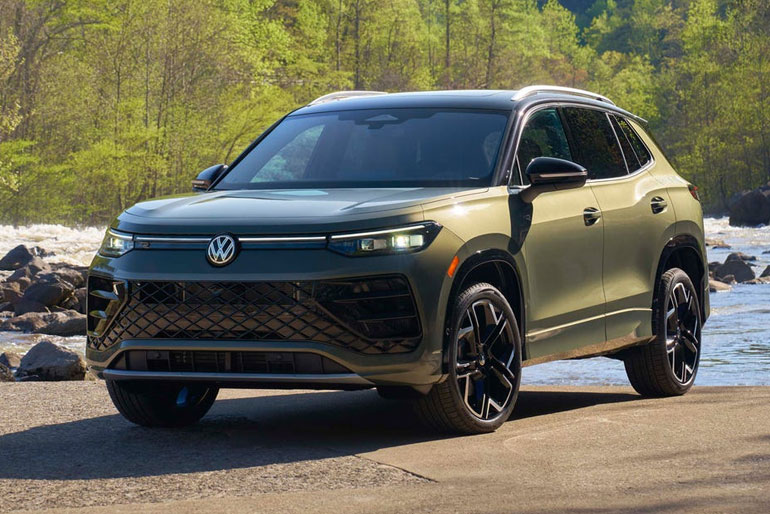
The Tiguan rounds out the top ten, and it’s essentially doing what it’s always done: offering a bigger, more upmarket version of the Golf experience in SUV form.
Priced from £38,920, the Tiguan remains the “grown-up” choice for those who need more space than a Golf but want the same German build quality. By sticking with a diverse range of petrol, diesel, and plug-in hybrid engines, VW has catered to those not yet ready to make the full jump to the electric ID range.
The Tiguan is a mid-size SUV that aims to stay steadfastly sensible while all around it try to win attention with bold styling. Aside from its occasionally firm ride, there’s not a huge amount to truly criticise.
It’s the car you buy when you’ve had a family and realised that boot space is no longer a luxury — it’s a necessity. Pushchair, dog, weekly shop, rugby kit: the Tiguan accommodates all of it without complaint.
What’s Really Going On in the UK Car Market in 2026?
Step back from the individual models, and a few clear trends emerge.
SUVs are everywhere. Seven of the top ten spots in 2026 are held by SUVs — clear evidence that this popular body shape’s dominance continues, though the success of the MINI Cooper, Vauxhall Corsa, and Volkswagen Golf shows superminis and hatchbacks still have significant staying power.
Electrification is accelerating. Electrified vehicles — battery electric, hybrid, and plug-in hybrid combined — accounted for more than half of the new car market in May 2026, rising from 47.3% in May 2025. Petrol remains the single most popular individual fuel choice at 41.2%, while diesel has continued its long decline to just 4.7% market share.
Chinese brands are no longer a novelty. The rise of Jaecoo and MG in particular represents a genuine shift in how British buyers think about car brands. Five years ago, most people wouldn’t have considered a Chinese-made car. That attitude has changed dramatically, driven by competitive pricing and genuinely improved quality.
And despite all the change, value still wins. British motorists are balancing running costs, company car tax, urban driving needs, and family practicality — which is why the strongest sellers combine sensible pricing, efficient powertrains, and everyday usability.
A Few Things Worth Knowing Before You Buy
Don’t ignore the plug-in hybrid option. For most people doing 30–50 miles a day, a PHEV that you charge at home overnight can save you serious money. The Sportage, Golf, Tiguan, and MG HS all offer compelling PHEV versions.
Check your real-world commute, not the spec sheet. Electric range figures on PHEV cars are optimistic. Test-drive them in your actual conditions — town, motorway, whatever you drive most — and make your decision based on that.
Chinese brands deserve a fair hearing. The Jaecoo 7 and MG HS aren’t buying you a compromise. They’re buying you a lot of car for the money. Check the warranty terms, find out what the dealer network looks like in your area, and make an informed decision.
The used market for some of these is brilliant right now. The Ford Fiesta, which is no longer made, is apparently still flying off used car forecourts. But even for current models, one-year-old examples with low miles can save you thousands.
Final Thoughts
Britain’s car market in 2026 is genuinely interesting in a way it hasn’t been for a while. There are real choices being made: between established brands and ambitious newcomers, between petrol and electrified powertrains, between sensible and slightly more exciting.
The Ford Puma at the top of the charts makes complete sense — it’s just a really good car. But the Jaecoo 7 sitting third, just one year after arriving in the country, tells you everything about how fast things are moving.
Whatever you end up buying, the honest truth is that the standard at every price point has never been higher. It’s a good time to be a car buyer in the UK — even if making the final decision still takes three months of agonising.
Found this useful? Drop a comment below with what you’re currently driving, or what you’re considering buying next — would love to hear what’s drawing people to these cars in the real world.