

A few years back, I was helping my mate Dave pick a new ute. He’d just started a small landscaping business in outer Melbourne — needed something tough enough to haul gear, cheap enough not to destroy his margins, and reliable enough to actually show up to jobs on time.
We test drove six different vehicles over three weekends. And somewhere between arguing over towing capacity figures in a Westfield carpark and getting side-eyes from a salesperson in Parramatta, I realised something: Australians have very strong opinions about cars. And those opinions, it turns out, are shaped by some genuinely smart logic.
So whether you’re in the same boat as Dave was, or you’re just curious what’s actually selling on Australian roads right now — here’s a real breakdown of the 10 most popular car brands in Australia, with honest takes on why they keep dominating.
1. Toyota — The Undisputed King
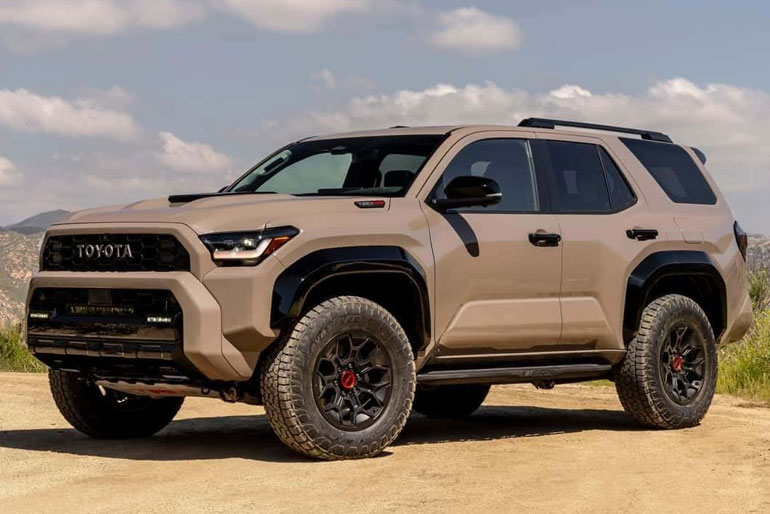
If you’ve driven more than 20 minutes outside any major Australian city, you already know this. Toyota absolutely dominates Australian roads, and has for years.
The HiLux alone has been Australia’s best-selling vehicle for over a decade running. Not just best-selling ute — best-selling everything. It outsells sedans, SUVs, hatchbacks, the lot.
Why? Reliability is the obvious answer, but it goes deeper than that. In regional areas especially, you need a vehicle that won’t strand you 200km from the nearest mechanic. Toyota’s reputation for bulletproof dependability is earned, not just marketed. Parts are everywhere, mechanics know these cars cold, and resale value holds like nothing else.
The LandCruiser is essentially a national icon at this point. And the RAV4 hybrid has quietly become one of the most practical family cars on the market.
Best for: Regional drivers, tradies, families wanting long-term value
2. Mazda — The Smart Person’s Choice
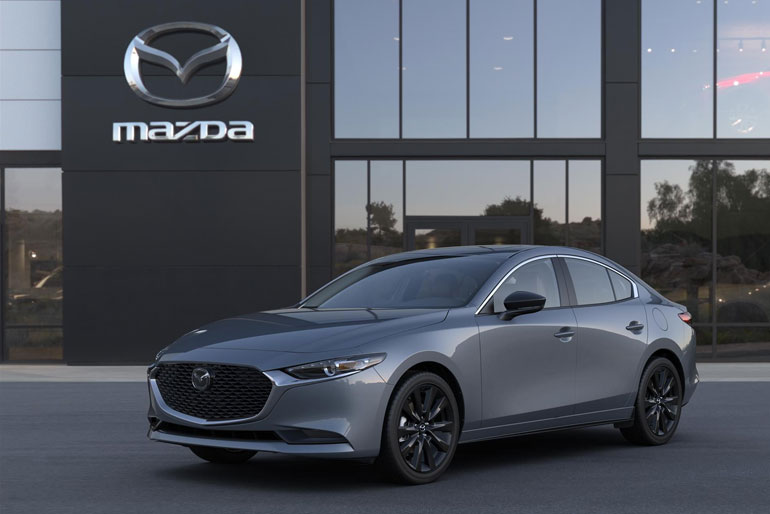
I’ll be honest — when I was last in the market, Mazda was the brand that surprised me most. The build quality and interior feel punches way above what you’d expect for the price point.
Mazda’s CX-5 is consistently one of the top-selling SUVs in Australia. And the CX-3 and CX-30 are hugely popular in cities where parking is a daily battle.
What Mazda does really well is that sweet spot between premium feel and non-premium price. You’re not paying BMW money, but you’re not sitting in cheap plastic either. Their SkyActiv engine tech also delivers genuinely good fuel efficiency, which matters more than ever with petrol prices bouncing around.
The Mazda3 is also worth a mention — it’s been a staple in Australian carparks for years and the current-gen model looks stunning.
Best for: City drivers, people wanting style without the luxury price tag
3. Ford — Still Fighting Hard
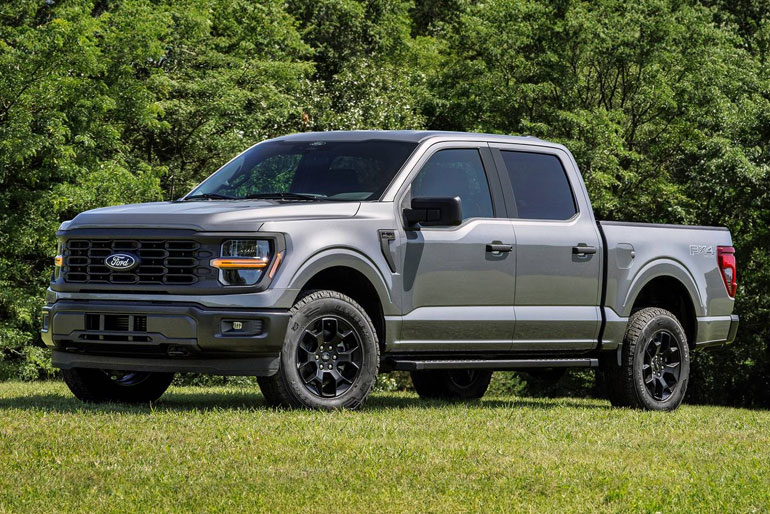
Ford had a rough patch in Australia after they closed their local manufacturing plant in 2016. A lot of people wrote them off. Turns out that was premature.
The Ford Ranger has come roaring back and is now consistently trading punches with the HiLux for top spot in ute sales. The newer generations are genuinely impressive — more car-like to drive, well-specced, and with proper tech built in rather than bolted on as an afterthought.
The Everest (the Ranger’s SUV sibling) has also built a solid following among families who want serious off-road capability without sacrificing on-road comfort.
Ford’s rebound is a genuine comeback story, and Ranger owners tend to be very loyal.
Best for: Tradies, adventure seekers, towing capacity needs
4. Mitsubishi — Budget-Friendly and Surprisingly Capable
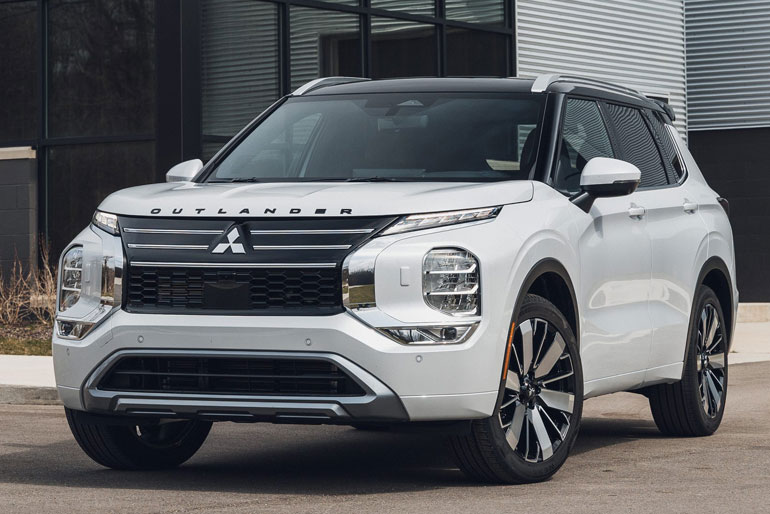
Mitsubishi doesn’t get as much love as it probably deserves in car conversations. But the sales numbers don’t lie — they move a lot of metal in Australia.
The Triton is a capable, competitive ute that tends to undercut its rivals on price while keeping most of the functionality. For a small business owner watching cash flow, that gap matters.
The ASX and Eclipse Cross are popular family SUVs, though they sit in the more budget-conscious end of the market. The Outlander PHEV (plug-in hybrid) has picked up steam recently as more Australians start thinking about fuel costs.
The brand also benefits from deep discounting through dealerships. If you’re a negotiator, Mitsubishi dealers tend to have a bit more room to move than some others.
Best for: Budget-conscious buyers, first-car purchases, small businesses
5. Hyundai — The Brand That Changed How We Think About Value
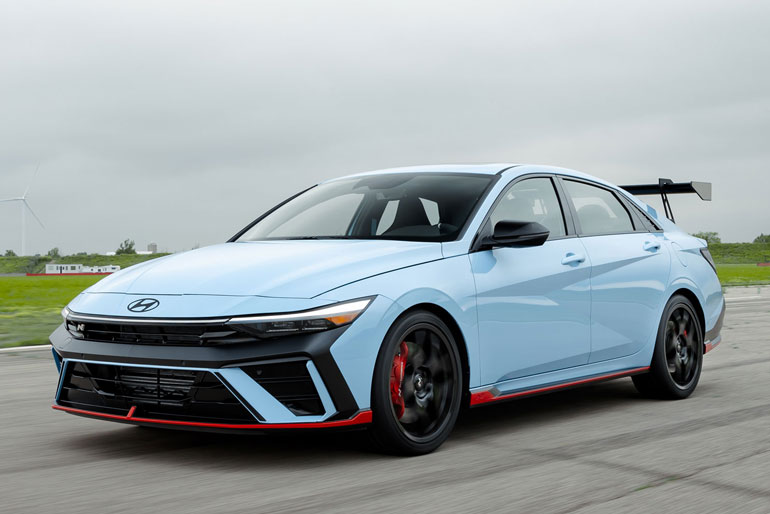
Remember when “Korean car” was basically a punchline? That era is over, and Hyundai killed it.
The i30 has been a genuine staple of Australian driveways for years now. Practical, reliable, good warranty, sensible pricing. Hyundai essentially took the Toyota reliability-and-value formula and ran hard with it.
Their SUV lineup has expanded aggressively too. The Tucson is a consistent top-seller in the mid-size SUV category, and the Kona (especially the electric version) has been pulling in buyers who are EV-curious but nervous about range.
Hyundai’s 5-year unlimited kilometre warranty has been a real differentiator. It tells you something about how confident they are in the product.
Best for: Practical families, first-time buyers, early EV adopters
6. Kia — Hyundai’s Cooler Sibling
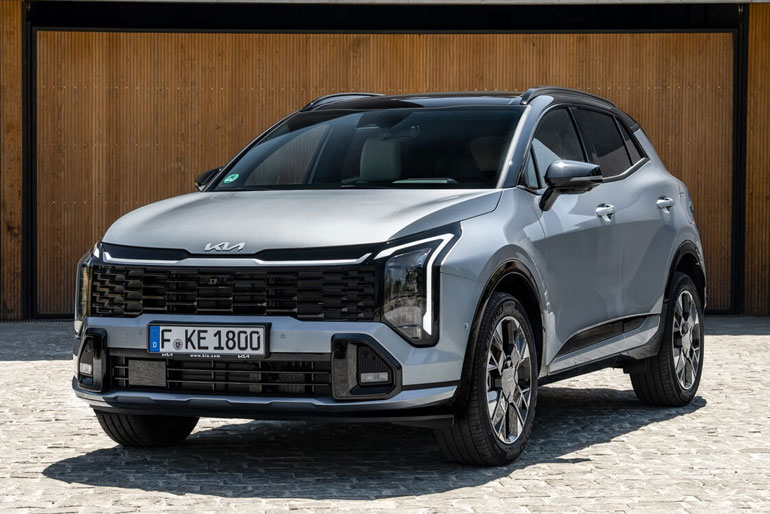
Kia and Hyundai share a parent company (Hyundai Motor Group), but they’ve developed genuinely different personalities. Where Hyundai went practical and value-driven, Kia has leaned into design.
The Sportage is a genuinely attractive SUV that competes hard in one of the most crowded segments in the market. The Cerato has been a popular small car option for years. And the new EV6 is legitimately exciting — it’s one of the better-looking electric cars available in Australia right now.
Kia also offers a 7-year warranty, which is about as long as it gets from any mainstream brand. It’s a confidence play, and it works.
If you’re comparing Kia and Hyundai, honestly, test drive both. They’re more different in feel than people expect.
Best for: Style-conscious buyers, anyone considering an EV, families
7. Isuzu — The Serious Ute Alternative
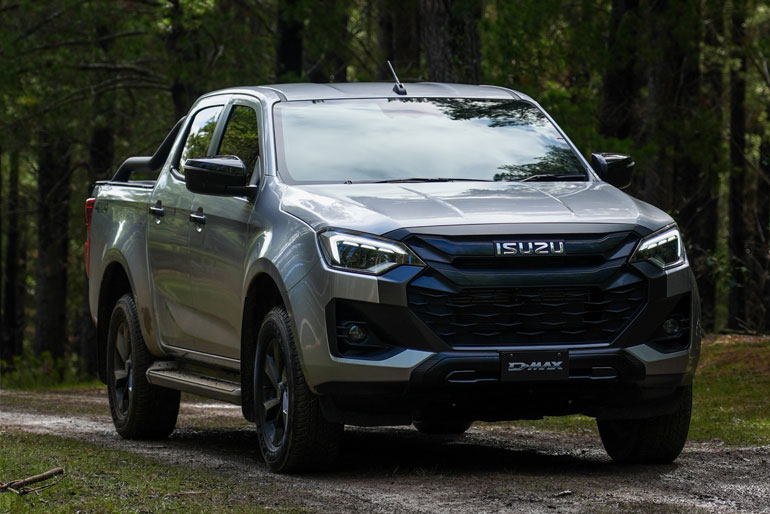
You don’t hear Isuzu in casual car conversations as much, but go to any rural show or worksite and you’ll see them everywhere.
The Isuzu D-MAX has been earning serious credibility as a HiLux and Ranger alternative. It’s less glamorous, no question — but it’s tough, it’s practical, and it’s built for work, not Instagram.
Isuzu has deep commercial roots (they make trucks), and that engineering DNA shows up in the D-MAX’s build quality and durability. For buyers who genuinely need a working vehicle rather than a lifestyle statement, this often wins.
Best for: Genuine working vehicles, rural and agricultural use
8. Volkswagen — German Engineering With a Growing Australian Following
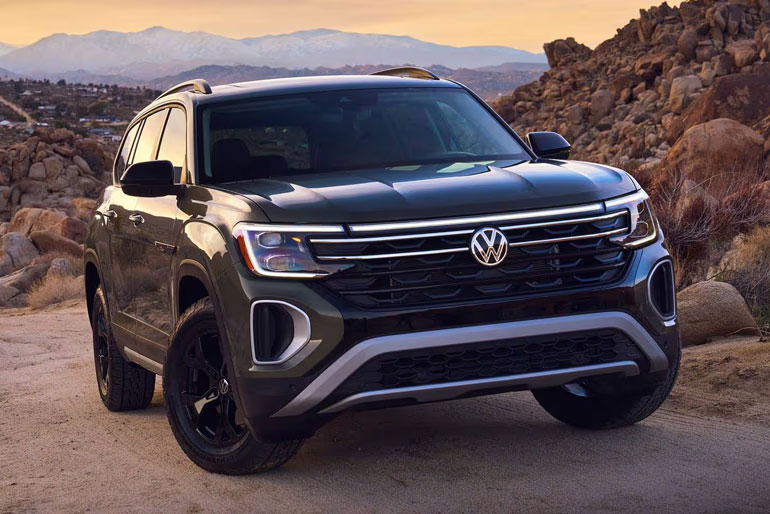
VW doesn’t have the volume numbers of Toyota or Mazda, but they punch hard in certain segments.
The Golf has been a benchmark hot hatch for decades, and Australia’s enthusiast community still holds it in high regard. The GTI especially has a proper fan club here.
The Tiguan is also a strong performer in the mid-size SUV segment — well-engineered, composed to drive, though the servicing costs can creep up compared to Japanese rivals. That’s worth knowing going in.
VW has also pushed into the EV space with the ID.4, though infrastructure limitations still hold back EV uptake in regional areas.
Best for: Driving enthusiasts, urban SUV buyers, people who care about how a car feels
9. Mercedes-Benz — The Prestige Option That’s Actually Accessible
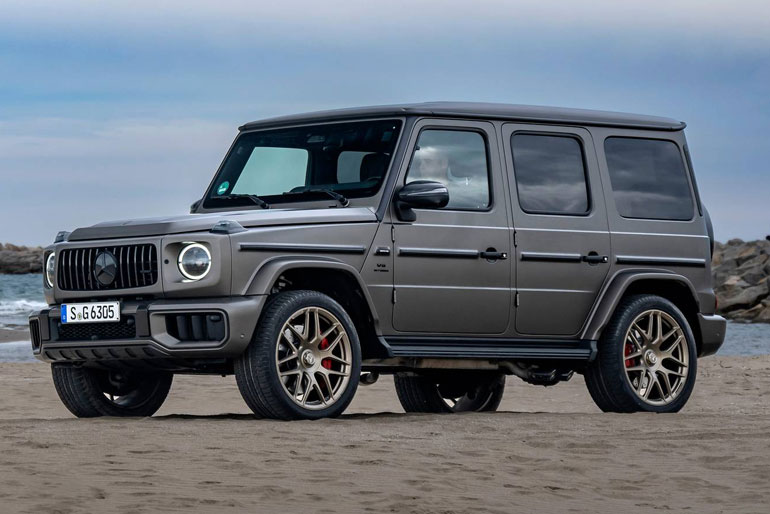
Luxury cars used to mean a tiny slice of the market. Not anymore. Mercedes-Benz has steadily grown its share in Australia by expanding into more accessible price points.
The GLC and C-Class are the volume drivers — premium feel, strong resale, and enough tech to feel genuinely modern. The A-Class brought the brand into reach for more buyers who wanted the badge without the full flagship price.
If you can afford the premium and care about resale and perceived value, Mercedes holds up well. Just make sure you budget for servicing — that’s where the premium really shows up.
Best for: Professional buyers, status-conscious purchases, strong resale value
10. Subaru — The Cult Favourite With Real Substance
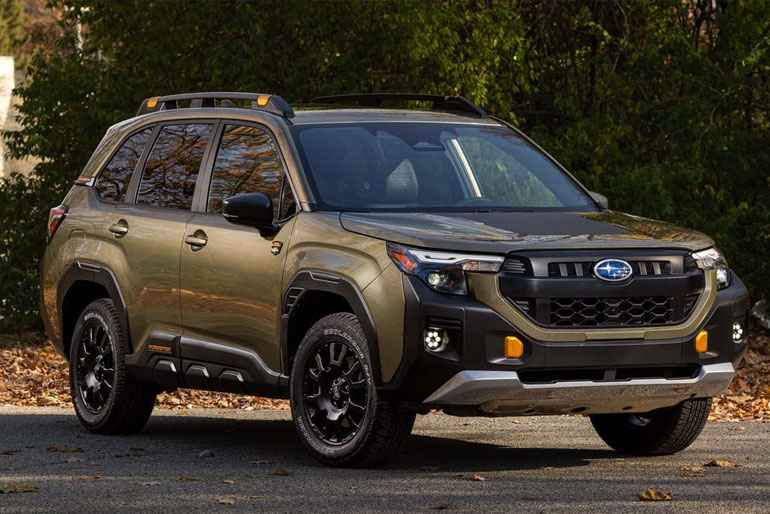
Subaru has the most loyal fanbase of probably any brand on this list. Talk to a Subaru owner — they will tell you about it.
And honestly, they’ve got reasons. The Forester and Outback are legitimately excellent for Australian conditions — the standard all-wheel drive system is a real-world advantage in a country where you might unexpectedly end up on a dirt road or caught in a downpour.
The Outback in particular has carved out a niche as the practical adventure car: not as imposing as a LandCruiser, not as city-focused as an RAV4, but genuinely capable in both directions.
The WRX has a devoted following among driving enthusiasts, and the WRX STI (now discontinued as a new model, sadly) was a genuine performance landmark.
Best for: Outdoor adventurers, rural-adjacent living, all-weather reliability
What Trips People Up When Buying
After watching a lot of people go through the car-buying process, the mistakes tend to cluster around a few things:
Falling for the sticker price. The drive-away price is what matters. Registration, CTP insurance, dealer delivery fees — these add up fast and often catch people off guard.
Ignoring running costs. Two cars with similar purchase prices can have wildly different service costs over five years. Japanese brands generally win on this front. European brands (even budget ones) tend to hurt.
Skipping the test drive. Sounds obvious, but the number of people who buy based on reviews and YouTube videos alone and then find the driving position awkward or the visibility poor is surprising. You have to sit in it.
Not checking resale early enough. If you’re buying new and plan to sell in five years, check what comparable used models are selling for now on Carsales or Car Guru. Some brands depreciate fast. Toyota and Mazda hold value well. Others don’t.
Buying more car than the use case needs. A dual-cab ute for a suburban family who never tows anything is an expensive, parking-nightmare way to solve a non-problem. Be honest about what you actually need.
The Honest Summary
The Australian car market is surprisingly logical when you look at it. Harsh conditions, long distances, and a practical cultural streak mean reliability and value tend to win over flash and novelty.
Toyota and Mazda dominate because they’ve earned it over decades of building cars that don’t let people down. Ford and Mitsubishi compete hard on the ute front where Australians have specific, serious needs. Hyundai and Kia have legitimately changed how we think about value-for-money. And the specialists — Subaru, Isuzu, VW — have carved out loyal niches they defend well.
If you’re in the market, do yourself a favour: spend a weekend on Carsales looking at what’s actually available, test drive at least three different vehicles in your shortlist, and talk to someone who actually owns what you’re considering. The forums for Australian car owners (Whirlpool’s automotive section, for instance) are full of real-world experience that no brochure will tell you.
Cars are a big call. Make it an informed one.