

Last spring, my cousin was standing in a dealership parking lot in Mississauga, completely overwhelmed. She’d been driving a beat-up Civic for eleven years, saved up, and was ready to finally buy something new. But every salesperson had a pitch, every website had a listicle, and none of it felt like real advice. She called me — and I spent the next two hours walking her through what Canadians were actually buying, and more importantly, why.
This article is basically that conversation, but written out properly.
I’ve been obsessed with Canadian car sales data for a few years now, partly because I work in automotive content, and partly because I genuinely love the psychology behind what makes people open their wallets for a specific vehicle. The 2026 Canadian market is fascinating — it tells a very clear story about what matters to people in this country: winters, value, space, and increasingly, fuel costs.
Let me break down the 11 most popular cars in Canada for 2026 and give you the real picture on each one.
1. Ford F-Series — Canada’s Unstoppable Juggernaut
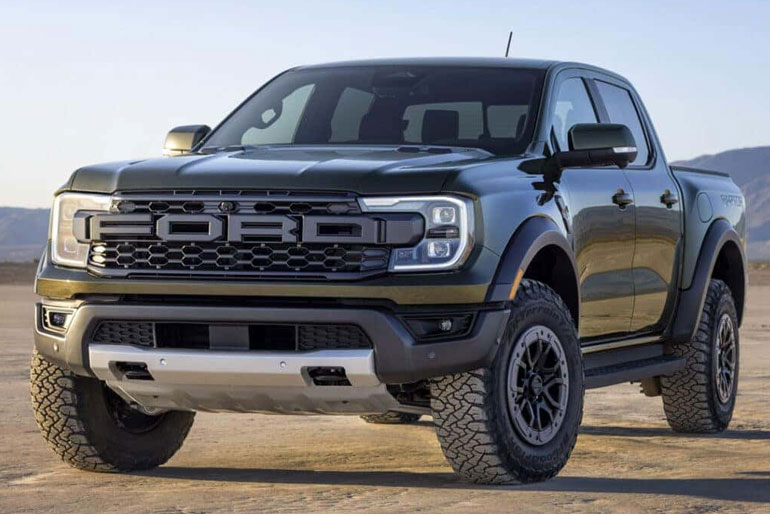
Nobody is surprised the F-Series is number one. It’s been Canada’s best-selling vehicle for so long that at this point it almost feels like part of the national identity, somewhere between hockey and Tim Hortons.
But here’s what people get wrong about F-Series buyers: they’re not all contractors and farmers. A massive chunk of them are suburban families who just like the combination of utility, towing capacity, and — let’s be honest — the sheer presence of pulling up in a full-size truck. The 2026 F-150 continues to offer the hybrid PowerBoost drivetrain, which helps a lot with fuel costs on the highway, and the Pro Power Onboard outlet system has become a genuine selling feature for campers and weekend warriors.
One mistake buyers make: skipping the payload and towing specs entirely. If you’re buying a truck, actually figure out what you need it to do. An XLT trim with the right axle ratio is a very different truck from a Lariat with the max tow package.
2. Toyota RAV4 — The Canadian Sweet Spot
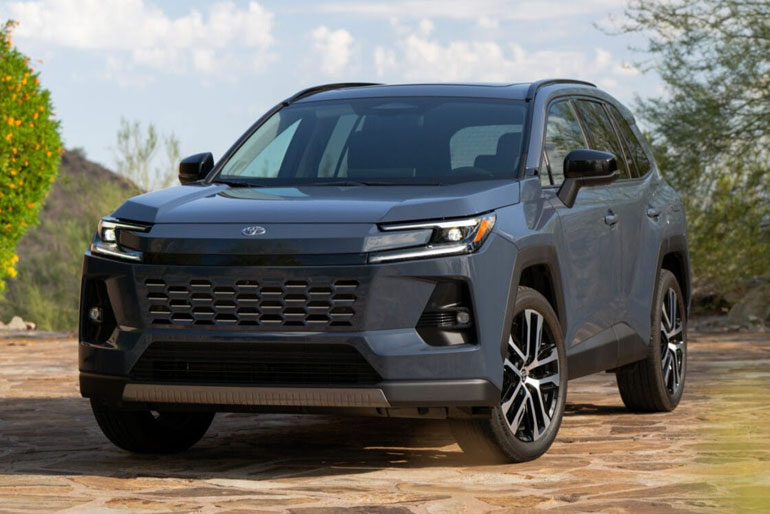
If the F-Series is for people who want capability, the RAV4 is for people who want everything else without fuss. It’s the thinking person’s crossover — sensible, reliable, practical, and available in a hybrid that genuinely cuts fuel bills.
The RAV4 Hybrid has been especially popular in 2026. Canadians have figured out that the fuel savings on a RAV4 Hybrid vs. the standard gas model actually make financial sense over 5+ years of ownership, especially given how much time many of us spend in city traffic. Toyota’s reputation for reliability is also not just marketing — the resale values hold up remarkably well compared to competitors.
My one honest critique: the interior is good, but not exceptional. If you’re coming from a luxury brand, the plastics might underwhelm you at first. Give it a week of real driving and you’ll stop caring.
3. Ram Pickup — The Truck That Grew Up
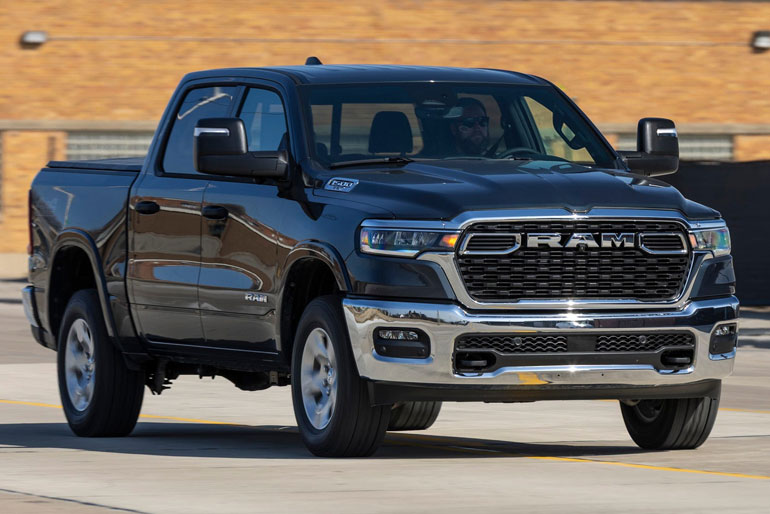
Ram has been aggressively chasing F-150 buyers for years, and in 2026, it’s closer than ever. The interior is genuinely impressive — the 12-inch infotainment screen feels more premium than what you’d expect in this segment, and the air suspension on higher trims makes highway cruising legitimately comfortable.
The Ram 1500’s coil-spring rear suspension (instead of the traditional leaf springs) has always been a point of pride, and it shows in everyday driving. This is a truck that doesn’t feel like punishment to drive when it isn’t loaded down.
Where Ram still loses buyers: perception. Some fleet managers and diehard Ford loyalists just aren’t willing to make the switch, regardless of the specs. That’s a cultural thing more than a mechanical one. If you can get past the badge, test-drive one seriously before you rule it out.
4. GMC Sierra — The Premium Pickup Play
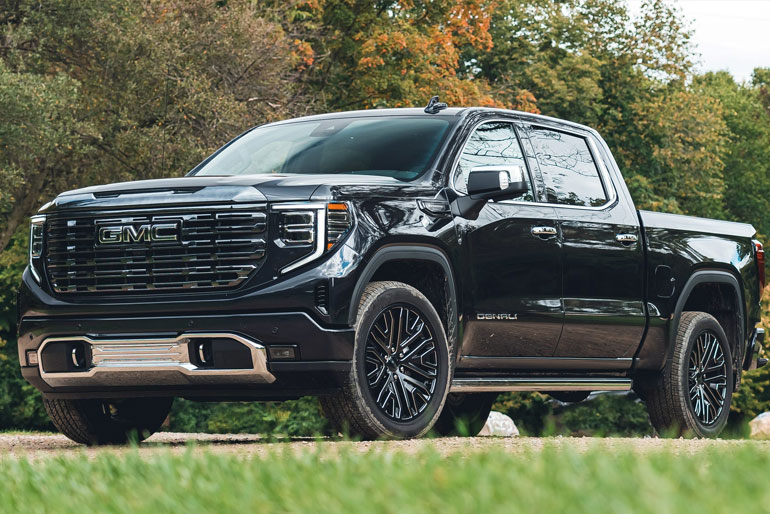
GMC has done something clever with the Sierra: positioned it as the upscale alternative in the GM stable. While the Silverado competes head-to-head with F-150 on price and features, the Sierra’s higher trims (Denali, AT4X) push into territory that starts to feel more like a luxury vehicle than a work truck.
The MultiPro tailgate is genuinely useful — it folds in multiple configurations and includes a built-in step that I’ve seen older buyers specifically mention as a reason they chose Sierra over competing trucks. Small thing, real impact.
If you’re cross-shopping Sierra vs. F-150 in the $65K-$80K range, the GMC often wins on interior feel. If you’re under $50K, the value math tends to favor Ford.
5. Honda CR-V — The Reliable Default (In the Best Way)
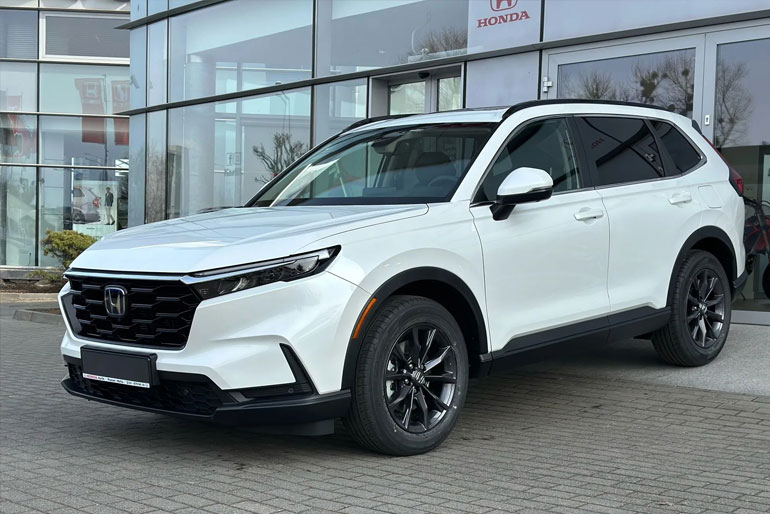
The CR-V is one of those vehicles that almost never disappoints its owners, which is partly why it keeps selling in huge numbers. It’s not exciting — nobody’s posting Instagram content about their new CR-V — but it checks every practical box: fuel efficiency, cargo space, comfortable back seat, good safety scores, and Honda’s historically strong reliability.
The 2026 CR-V Hybrid is worth serious attention. The powertrain is smooth and genuinely efficient in city driving, and unlike some other hybrids, the switchover between electric and gas modes is barely perceptible. Honda has also improved the interior quality meaningfully over the last couple of generations.
Families with young kids seem especially drawn to the CR-V, and it makes sense. The cargo floor is low enough to actually lift a stroller into without throwing your back out. These things matter.
6. Chevrolet Silverado — The Everyday Truck
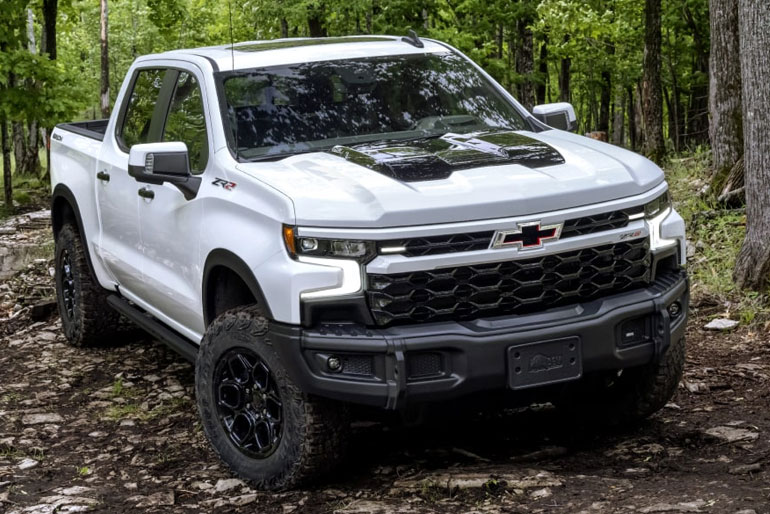
The Silverado occupies an interesting position: it’s often cross-shopped with the F-150 and usually considered the “value play” in that comparison. The 2026 Silverado has made real strides in interior quality (previous generations were noticeably behind), and the turbocharged 2.7L four-cylinder has surprised a lot of skeptics with its real-world performance.
One thing Silverado does well that doesn’t get enough credit: parts availability and service network. In rural Canada, having a GM dealership within a reasonable distance matters a lot, and Chevy’s network is extensive.
Where buyers sometimes regret: the base trim options. Silverado’s entry-level trims can feel sparse. Budget for at least the LT package if you want features that feel current.
7. Toyota Corolla — Still Standing, Still Relevant
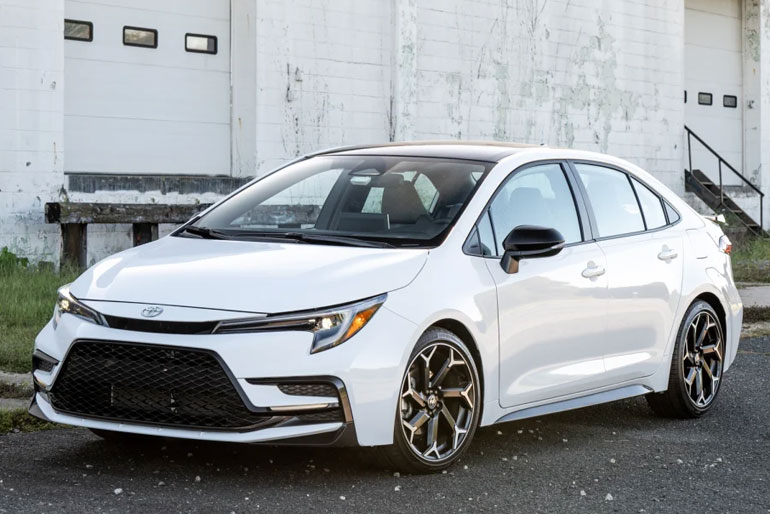
The Corolla has been around so long it’s easy to underestimate it. But here’s the thing: it keeps evolving, and in 2026 it’s a legitimately good car — not just a reliable appliance.
The styling on current Corollas is actually sharp. The GR Sport trim has a bodykit and sport suspension that makes it genuinely fun to drive. The Corolla Cross has also pulled some buyers away from the sedan, but the traditional Corolla remains one of the strongest value propositions in the compact car segment.
If you’re buying a Corolla as a first car, a commuter, or a hand-me-down for a teenager: there are very few better choices. The hybrid version is also increasingly popular and gets genuinely impressive fuel economy in mixed driving.
8. Honda Civic — The Driver’s Compact
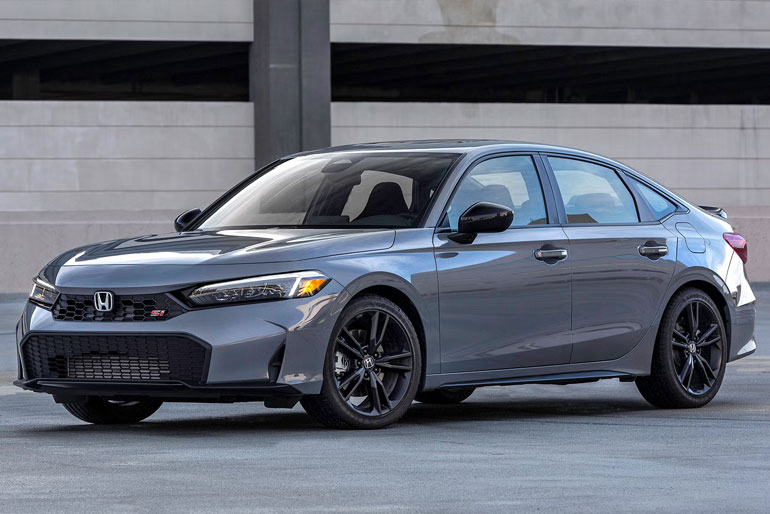
I’ll be direct: I think the Civic is the better-driving car than the Corolla. The steering is more communicative, the chassis feels more connected, and Honda has consistently positioned the Civic as something you actually want to drive rather than just a way to get from A to B.
The Civic Si and Type R are performance legends, but even the base Civic has enough dynamics to keep things interesting on a winding road. In 2026, the infotainment system has been updated and the interior material quality is genuinely competitive with cars costing more.
One honest downside: the back seat is snug if you’re tall. It’s the one area where the Corolla has the edge for taller passengers.
9. Hyundai Tucson — Korea’s Best Answer to the RAV4
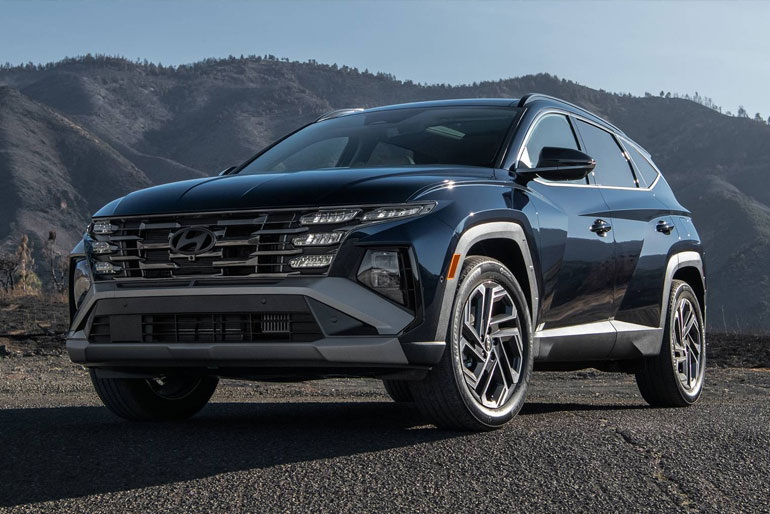
The Tucson has become a genuine contender rather than a budget alternative, and that shift has happened over the last two or three generations. The 2026 Tucson looks genuinely sophisticated — the interior especially has a premium feel that surprised a lot of test-drive visitors.
The Tucson Hybrid and Plug-in Hybrid (PHEV) variants have been strong sellers in provinces with EV incentives. In Quebec and BC especially, the PHEV’s combination of real electric range for daily commutes plus a gas engine for longer trips hits a sweet spot that fully electric vehicles haven’t quite addressed for buyers with range anxiety.
Hyundai’s warranty — 5-year/100,000 km comprehensive, 10-year/160,000 km powertrain — is still one of the best in the business and worth factoring into the total cost of ownership math.
10. Nissan Rogue — The Underdog That Earned It
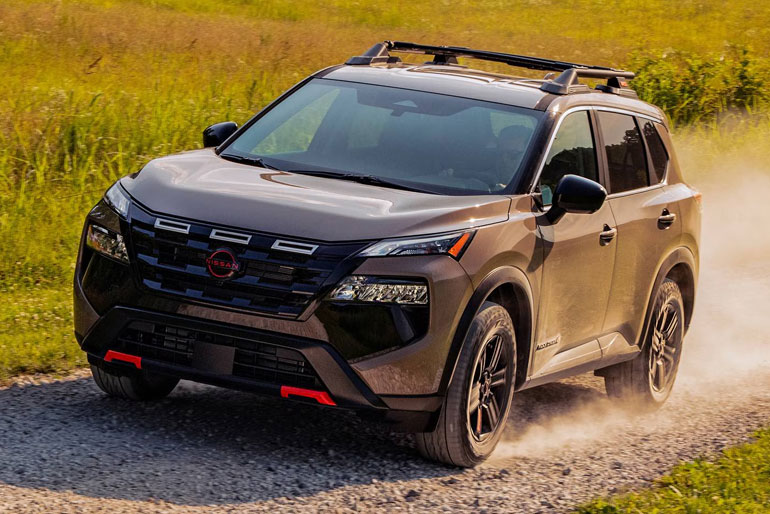
The Rogue spent years being the thing you bought when you couldn’t afford a RAV4. That reputation is outdated now. The current Rogue generation is a properly good vehicle — the ProPilot Assist driver assistance suite is one of the better semi-autonomous systems at this price point, and the interior has taken a meaningful step up.
The variable compression engine that Nissan has used in the Rogue is genuinely innovative engineering, and real-world fuel economy is competitive with the class.
Where the Rogue still lags slightly: brand perception and resale values. Nissan hasn’t fully shaken the reliability concerns that followed some earlier models. It’s worth doing homework on specific model years and reading owner forums before you commit.
11. Hyundai Kona — The Compact That Punches Up
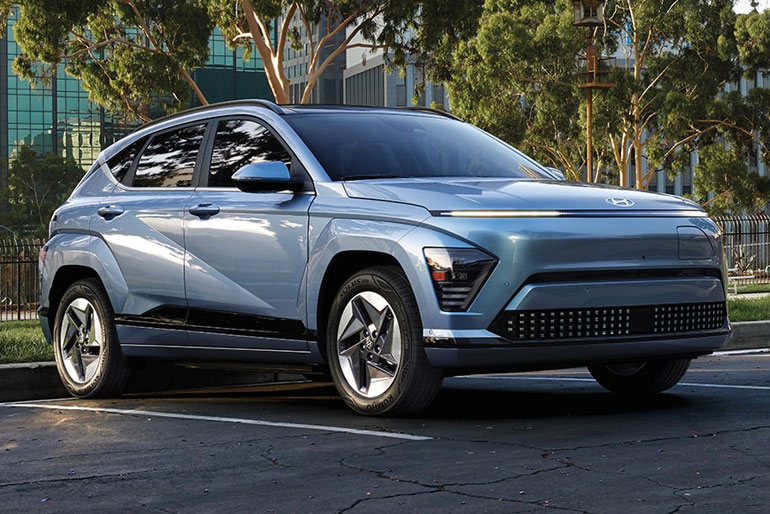
The Kona is the smallest vehicle on this list, and it’s earned its place. In urban Canada — Toronto, Vancouver, Montreal — compact SUVs make a lot of practical sense: easier to park, lower fuel costs, easier to maneuver in traffic.
The 2026 Kona Electric has been a quiet success story. It offers enough real-world range for most urban and suburban use cases, comes in at a price point that makes EV ownership accessible, and the charging ecosystem has improved enough that range anxiety is less of a daily concern in major cities.
The Kona is not the right vehicle if you regularly carry four adults and cargo. It is absolutely the right vehicle if you drive solo or with one other person most of the time and want something efficient, modern, and easy to live with.
A Few Things I’ve Noticed Across All These Vehicles
Hybrids are winning the value argument. Three or four years ago, hybrid premiums were hard to justify. In 2026, with fuel prices where they are and used hybrid values staying strong, the math has shifted. If you’re buying any of the hybrids on this list and planning to keep the car 5+ years, run the numbers.
Feature creep is real. Base trims have gotten better, but the gap between base and mid-tier has also widened. Don’t assume a vehicle is affordable just because the entry price looks reasonable — build it out to the spec you actually want, then compare.
Test drives matter more than spec sheets. I’ve watched people choose between a CR-V and a RAV4 based purely on which one they preferred sitting in. That’s not irrational. You’re going to spend hundreds of hours in this vehicle. How it feels matters.
Dealer markup has settled down. Post-pandemic gouging has largely dissipated. In most segments you can negotiate closer to MSRP than you could in 2022-2023. Do your homework on what the vehicle sold for in your region, and don’t be afraid to walk away once.
For My Cousin (and Anyone Else Trying to Decide)
She ended up going with a RAV4 Hybrid in Midnight Black Metallic. She’s been driving it for four months and texts me occasionally to report on her fuel economy on road trips (still shocked by it, in a good way).
The best vehicle on this list isn’t the most expensive one. It’s the one that fits your life — your commute, your family, your winters, your budget. Use this list as a starting point, not a conclusion. Book test drives for your top two or three. Actually load the cargo area with stuff you’d normally carry. Drive in the conditions you’ll normally face.
That’s how you end up with the right car. Not by reading the spec sheet, but by actually putting yourself in the driver’s seat and paying attention to what you feel.
The Canadian market in 2026 is, honestly, in a great place. You’ve got eleven genuinely capable, well-developed options at the top of the charts — no lemons, no obvious traps. The hard part now is just figuring out which one is yours.