

A mate of mine spent three months agonising over his next car purchase last year. He’d test-driven a Hyundai Tucson, sat in a Mazda CX-5, and even seriously considered going electric. Then he drove a Ford Ranger for a weekend — and that was that. Within a fortnight he’d signed the paperwork.
I’ve had that same conversation with more people than I can count. And honestly, his choice wasn’t a surprise. Not here in Australia. Because when you look at what Aussies are actually buying, a pretty clear picture emerges — and it says a lot about how we live, work, and get around.
The Numbers Don’t Lie: Australia’s Car Market Broke Records (Again)
Before diving into the specific cars, let’s set the scene. Australia’s new car market hit a new all-time record in 2025 — over 1.24 million vehicles sold in a single year. That’s the third consecutive record year. Despite interest rate pressure and cost-of-living stress, people kept buying cars.
What’s changed is who is selling them. Chinese brands like BYD and Chery have exploded into the mainstream, while old-guard names like Nissan have lost serious ground. The market is more competitive than it’s ever been, and for buyers, that’s actually great news.
But some things stay stubbornly the same. Utes and SUVs dominate. And one vehicle has sat at the very top of the sales chart three years running.
#1 Ford Ranger — Australia’s Favourite Car (For the Third Year Straight)
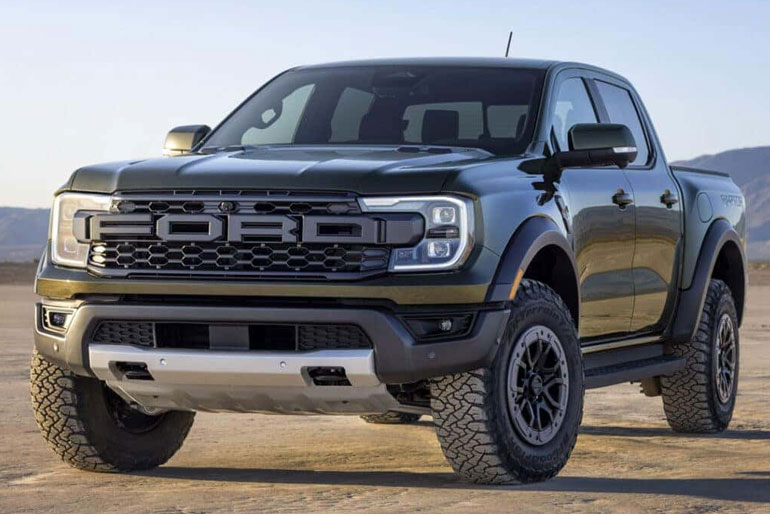
Yes, the most popular car in Australia isn’t a Toyota Corolla or a sporty hatchback. It’s a big, boxy, diesel-powered dual-cab ute. The Ford Ranger has been Australia’s best-selling vehicle since 2023, and it held that crown again through 2025.
I get why people outside Australia find this surprising. But if you’ve actually lived here — especially outside the major CBDs — it makes complete sense. A huge portion of Australians need a vehicle that works for school drop-off and weekend camping and maybe towing a trailer on a farm. The Ranger does all of that without blinking.
The most popular variant is the 4×4 XLT, and it’s not hard to see why. It’s refined enough to feel comfortable on a daily commute, tough enough to handle gravel roads and creek crossings, and the tray is genuinely useful — not just cosmetic like on some competitors.
Starting price: From around AUD$37,130 before on-road costs.
Who’s buying it: Tradies, farmers, families in outer suburbs, and anyone who just wants a truck that can handle anything.
One thing worth knowing: Ranger sales actually dropped nearly 10% in 2025. That’s not the Ranger getting worse — it’s the competition getting fiercer. More on that in a bit.
#2 Toyota RAV4 — The People’s SUV
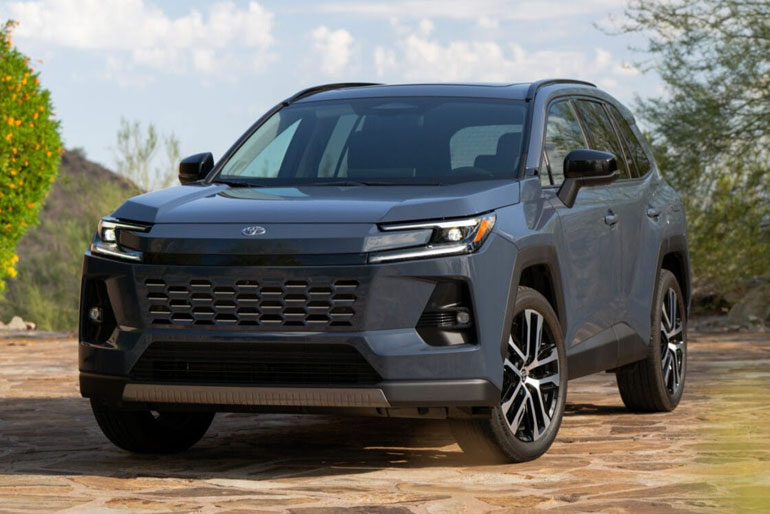
If the Ranger is Australia’s workhorse, the RAV4 is its reliable family companion. Toyota’s mid-size SUV surged into second place in 2025 with close to 52,000 sales, overtaking even the legendary HiLux.
What makes the RAV4 so consistently popular? Honestly, it’s the hybrid. Toyota has been pushing hybrid powertrains hard, and Australians have responded. The RAV4 Hybrid offers genuinely impressive fuel economy without the charging anxiety of a full EV. It’s the “sensible middle ground” car — and that resonates strongly with a country that’s still building EV infrastructure outside the major cities.
I’ve rented RAV4s on a few road trips across Victoria and NSW, and they’re not exciting cars. But they’re good cars. Visibility is excellent, the infotainment is intuitive, boot space is generous, and the ride quality over country roads is solid. You’re not going to have a story to tell at dinner about your RAV4. That’s sort of the point.
Starting price: Around AUD$38,000 for base models; hybrid variants sit higher.
Best for: Families, suburban commuters, anyone who wants reliability above everything else.
#3 Toyota HiLux — Still a Legend, Just Not the King Anymore
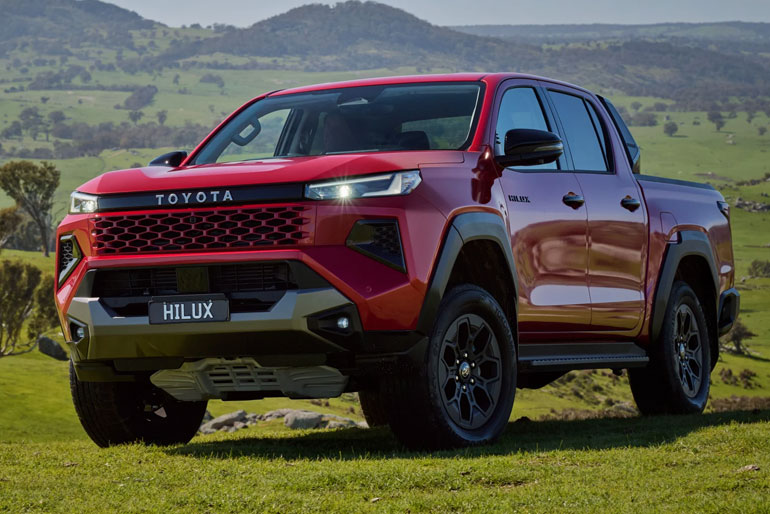
For years the HiLux was the untouchable #1 in Australian car sales. Then the Ranger came along and knocked it off the throne. But third place nationally is hardly a failure — the HiLux still sold over 51,000 units in 2025.
In regional Australia, the HiLux is practically a cultural institution. You’ll see white single-cabs on every farm, construction site, and mine site across the country. Toyota’s reputation for near-indestructible reliability is well-earned, and tradies in particular tend to trust it with their livelihood.
The recent facelift also gave it a sharper look and better tech. It’s not the most comfortable dual-cab on the market, but for buyers who prioritise dependability above refinement, it’s still the benchmark.
#4 BYD Sealion 7 — The Wildcard That Crashed the Party
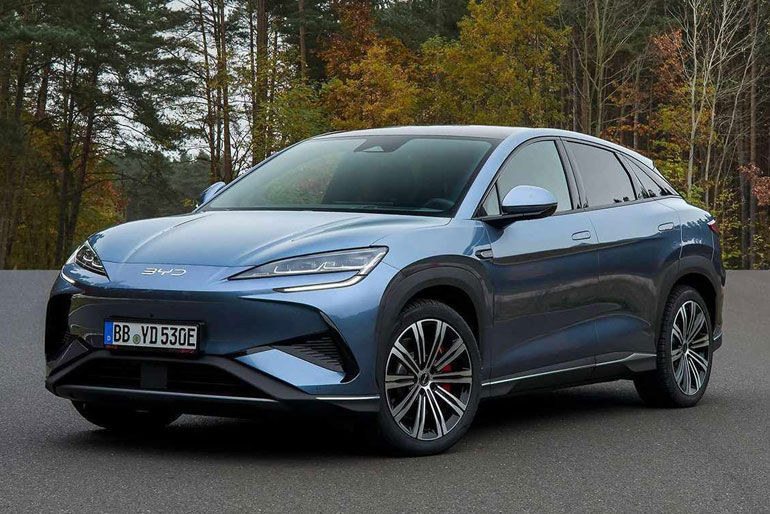
Here’s where it gets really interesting. A Chinese EV brand cracking Australia’s top 10 would have seemed far-fetched just a couple of years ago. But BYD isn’t playing around.
The BYD Sealion 7 — a mid-size electric SUV — became one of the fastest-growing cars in Australia throughout 2025. BYD as a brand saw a staggering 156% increase in sales year-on-year, pushing it firmly into the top 10 brands nationally.
Why are people buying it? Value, mostly. The Sealion 7 undercuts a lot of European competitors on price while offering a well-equipped interior, decent range, and fast charging. It’s not perfect — the brand’s service network is still catching up, and resale values are an unknown — but for buyers who want an EV without paying Tesla prices, it’s increasingly hard to ignore.
Starting price: Around AUD$54,000 drive-away.
#5 Ford Everest — The Family SUV with Actual Off-Road Bones
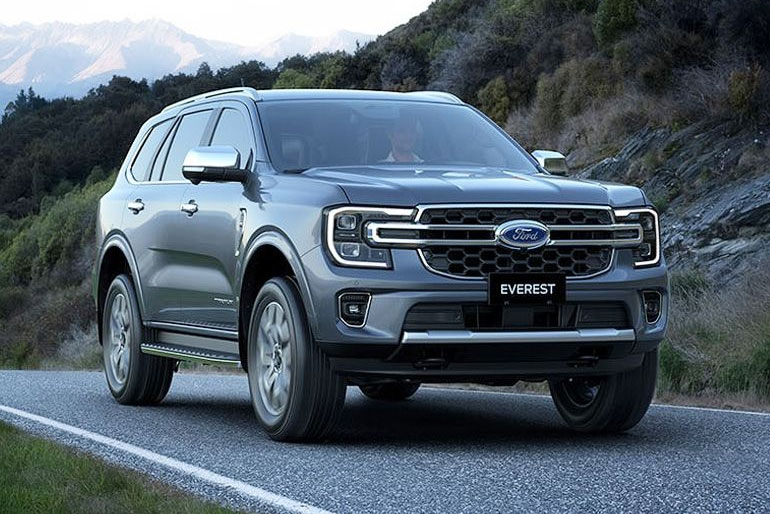
Think of the Everest as the Ranger’s more civilised sibling. It shares the same underpinnings as the ute but comes as a seven-seat SUV with a much more comfortable interior.
It shot up the rankings in 2025 (up from 6th the year before) and has developed a loyal following among families who want genuine 4WD capability but need three rows of seating. If you’ve got kids, a caravan, and the occasional off-road adventure in the plan, this is one of the most practical all-rounders money can buy.
#6 Isuzu D-MAX — The Tradie’s Quiet Achiever
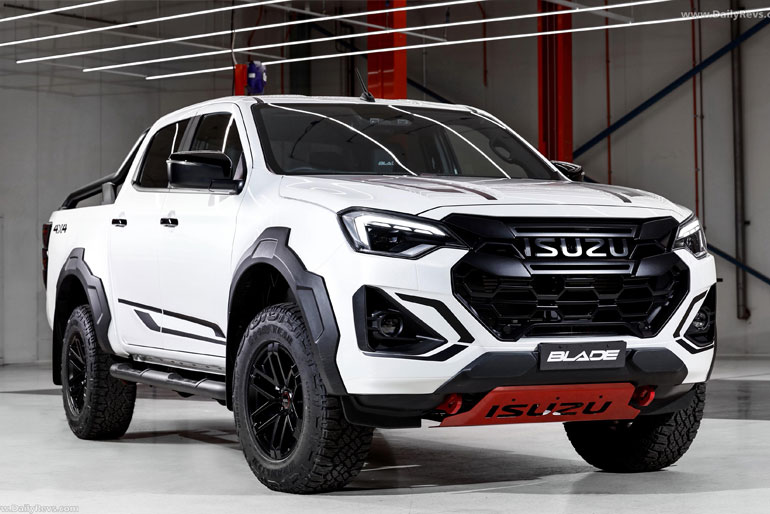
The D-MAX doesn’t get as much media coverage as the Ranger or HiLux, but it absolutely deserves its top-ten spot. It’s a workhorse in the truest sense — raw payload capacity, excellent towing numbers, and Isuzu’s legendary diesel reliability.
In rural communities, especially, the D-MAX has an incredibly loyal following. It’s not flashy, it doesn’t have the latest tech gimmicks, but it starts every morning and keeps working. For buyers who use their ute as an actual tool rather than a lifestyle accessory, the D-MAX is often the smarter choice.
#7 Haval Jolion — Chinese Brands Are Here to Stay
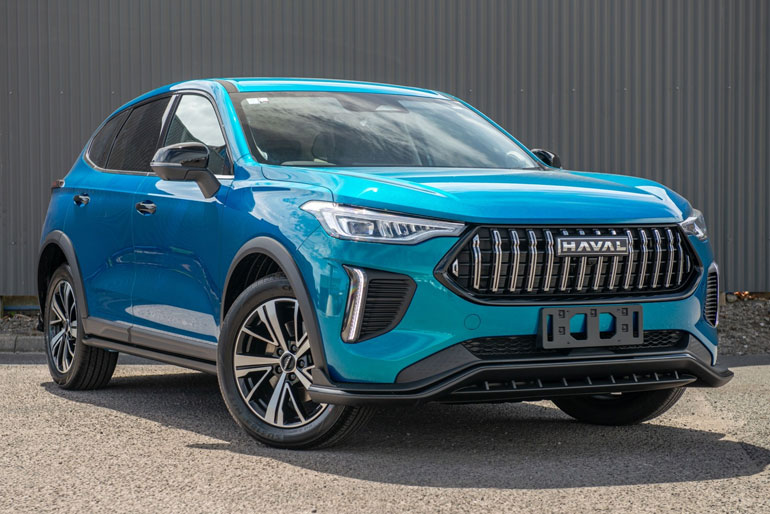
The Haval Jolion (from GWM’s Haval sub-brand) sits in that sweet spot of value SUVs, and it’s been quietly racking up sales numbers that legacy brands are starting to find uncomfortable.
It offers a lot of car for the money — touchscreen infotainment, safety tech, reasonable interior space — and it’s been backed by a growing dealer network. Is it as refined as a Mazda CX-5? No. But at its price point, it’s genuinely competitive. First-time buyers and younger Australians on tighter budgets are buying these in big numbers.
#8 Mazda CX-5 — The One That Drives Like It Costs More
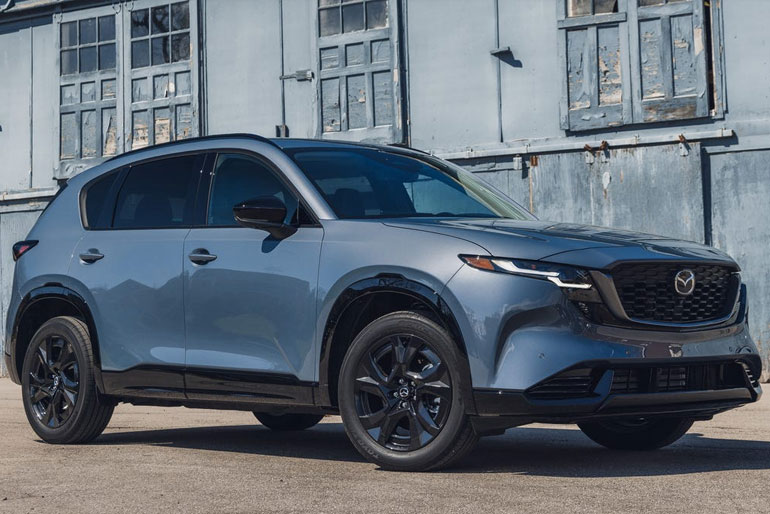
The CX-5 is one of those cars that consistently punches above its weight. It’s been on sale for nearly a decade with relatively minor updates, and it’s still selling strongly.
Why? Because it drives brilliantly for its class. The steering is responsive, the cabin materials feel genuinely premium, and the turbo petrol engine is a joy to use. A new-generation CX-5 is reportedly on the way, which should boost numbers even further.
If you want a family SUV that doesn’t feel like a compromise, the CX-5 is the easy recommendation.
#9 Toyota Prado — The Big Winner of 2025
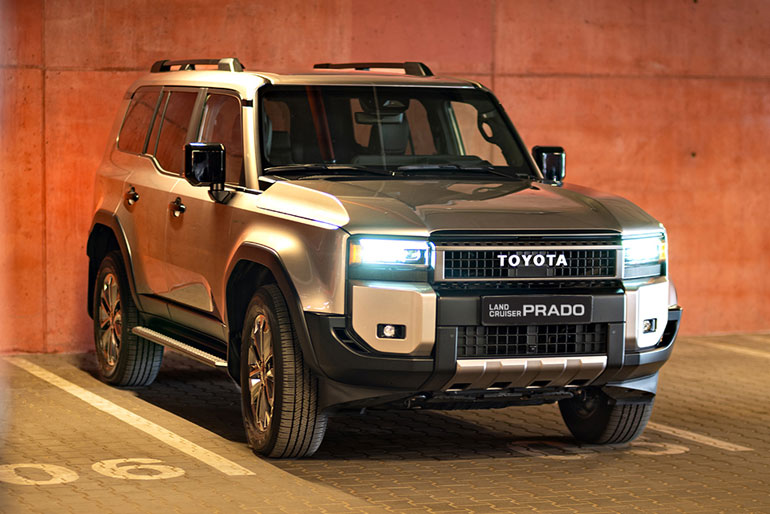
No car had a more remarkable year in 2025 than the Prado. Sales jumped over 166% year-on-year after the brand-new Land Cruiser Prado launched and immediately created a waiting list.
The new Prado is a generational leap forward — better off-road tech, a hybrid option, modern interior, and the legendary Toyota 4×4 reliability. It’s expensive (think AUD$90,000+), but Australians who want serious 4WD capability with family comfort are queuing up for one.
#10 Tesla Model Y — EVs Are Getting There
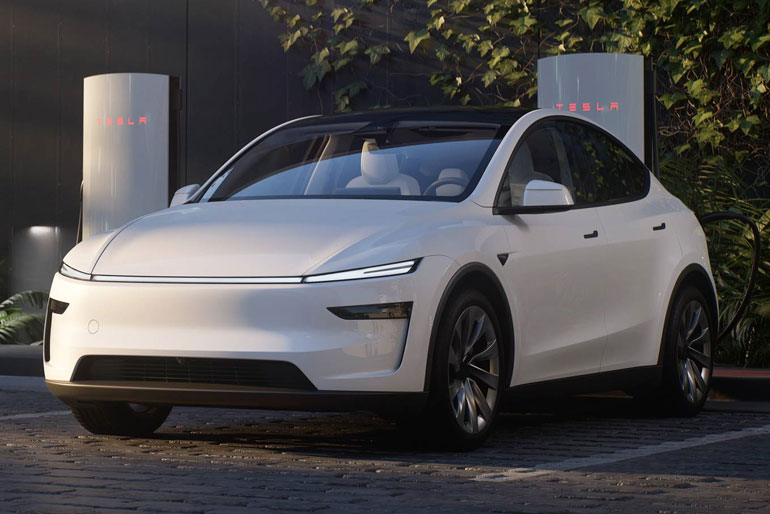
The Tesla Model Y clawed its way back into the top 10 in 2025, a sign that EV adoption is continuing to grow — just not at the pace some predicted. Range anxiety and charging infrastructure remain real concerns outside Sydney, Melbourne, and Brisbane.
That said, Tesla’s Supercharger network is expanding, and for urban buyers who do most of their driving within 100km of home, the Model Y makes a genuinely compelling case. It’s tech-forward, practical, and running costs are significantly lower than a comparable petrol SUV.
What These Numbers Tell Us About Australian Car Buyers
Step back and look at this list as a whole, and a few things stand out:
We love utes. Three of the top six best-selling vehicles are dual-cab utes. Australia’s geography, lifestyle, and work culture drive this. It’s not a trend — it’s structural.
SUVs have completely taken over. SUVs now make up nearly 60% of all new car sales. The traditional sedan market has basically collapsed.
Chinese brands are no longer niche. BYD, Chery, Haval, and MG are now a permanent fixture in the Australian market. They’re winning on price, and their quality is improving faster than many expected.
Hybrids are the bridge technology people actually want. Pure EVs are growing but slowly. Hybrids — especially Toyota’s self-charging ones — are the pragmatic choice for a country where long distances and thin charging networks are reality.
Common Mistakes When Buying a Popular Car
The biggest mistake? Buying what’s popular instead of what suits your life. A Ranger is an incredible vehicle, but if you live in a Sydney apartment, park in a tight underground garage, and never tow anything, it’s not the right car for you.
Also — and I’ve seen this one hurt people — don’t skip the test drive just because a model has great reviews. The Mazda CX-5 drives beautifully; the Haval Jolion is competent but different. That difference matters over five years of daily driving.
Finally, with Chinese brands in particular, do your research on the local dealer network and service availability. A great car with no nearby service centre or uncertain parts supply is a headache waiting to happen.
Final Thoughts
Australia’s car market in 2025 is genuinely fascinating. The old guard is holding on, but the challengers are real. Whether you’re after a rugged ute, a practical hybrid SUV, or an affordable EV, there’s more choice right now than at any point in history.
My mate? He’s still thrilled with his Ranger. Last month he took it through the Snowy Mountains and didn’t stop grinning the entire drive. Sometimes the most popular choice really is the most popular for a reason.