

I’ve spent way too many weekends crawling through owner’s manuals and forum threads chasing down car “Easter eggs” — those small, unofficial details designers slip into a vehicle just for fun. They’re never in the brochure. Nobody at the dealership will point them out. You either stumble on them by accident, or someone tips you off, and then you can’t stop looking for more.
If you’re new to the term, a car Easter egg is basically a hidden design touch: a tiny sketch stamped into a plastic panel, a joke molded into a taillight, a shape hidden in a dashboard vent. It’s the same idea as Easter eggs in video games or movies — a little reward for people who pay close attention. And speaking of Easter, if you’re the kind of person who likes counting down to things, I’ve actually got a page that tracks how many days until Easter if you want to time your own egg hunt around the actual holiday.
Jeep Is the King of Hidden Details
Jeep might be the most famous name in this whole hobby, and for good reason. Owners have found tiny Sasquatch silhouettes, spiders, and even a tiny image of a Jeep driving up a rock face tucked into headlight housings, dashboards, and windshield corners across different models. The tradition apparently started almost by accident decades ago when a designer snuck a small drawing into a part, and it’s carried on ever since. Every new Jeep generation seems to add a few more, which keeps enthusiasts checking every panel on a new release.
Ford’s Wrangler-Style Tributes
Ford has leaned into the same spirit with some of its trucks and SUVs, hiding small silhouettes of classic vehicles or regional landmarks into interior trim pieces. It’s a subtle way of nodding to the model’s history without slapping a big badge on it. You really have to know where to look, which is half the appeal.
Volkswagen’s Tiny Sketches
Volkswagen has a history of embedding small doodles into interior components, including little sketches of the original Beetle hidden inside fuel doors or storage compartments on newer models. It’s a wink to the brand’s roots, tucked somewhere almost nobody checks during a normal test drive.
Mini and Its Playful Personality
Mini has built its whole identity around personality, so it’s no surprise the brand hides small graphics in places like the underside of the fuel cap or inside the glovebox. Some versions have even included tiny illustrations that only make sense once you know the brand’s British heritage and racing background.
Tesla’s Software-Based Easter Eggs
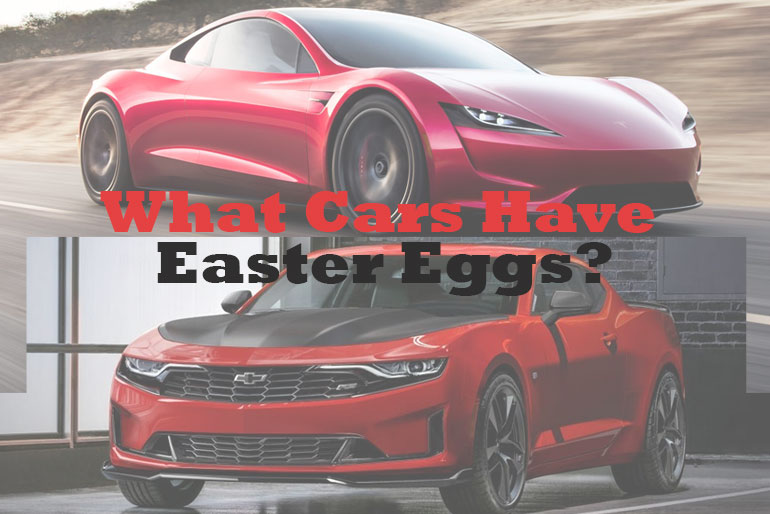
Tesla takes a different approach entirely, since so much of the car is software. Instead of a hidden shape stamped into plastic, Tesla owners have found joke menus, animations, and games baked directly into the infotainment screen. A well-known example lets the dashboard mimic a sleigh in December, complete with falling snow animations on the display. Because Tesla pushes software updates constantly, these digital surprises change and multiply far more often than the physical kind other brands use.
Chevrolet’s Nods to Racing Heritage
Some Chevrolet performance models include small design details referencing famous track moments or engineering milestones, hidden in places like underhood panels or trim pieces that most owners never look at closely. It’s a subtle way of connecting a modern car to decades of racing history.
Why Automakers Bother With This at All
None of these details show up in advertising. They don’t add horsepower or improve safety ratings. So why do it? Mostly because car designers are enthusiasts too, and a hidden detail is a low-cost way to reward the people who actually care enough to look. It also builds a sense of community — forums and social media are full of people comparing notes on what they’ve found, which keeps people engaged with a brand long after the sale.
How to Find Easter Eggs in Your Own Car
If you want to go looking, start with the obvious hiding spots: fuel doors, headlight and taillight housings, underneath floor mats, inside the glovebox, and along interior trim seams. For newer vehicles with touchscreens, try holding down buttons in unusual combinations or checking hidden settings menus — some software Easter eggs are triggered by specific input sequences rather than just being visible on a panel.
Car Easter eggs are one of those small joys that remind you a vehicle was designed by actual people with a sense of humor, not just an engineering spreadsheet. Once you start noticing them, it’s hard to stop checking every new car you sit in.