

I’ll be honest with you — I picked up the 2026 X3 M Competition from the dealer, expecting to like it the way you like a gym membership you’re paying for anyway. Fast, sure, but an SUV with an M badge always felt like a marketing exercise to me. Big wheels, aggressive bumper, a spec sheet that reads well on paper, and then you drive it, and it feels like a regular X3 that got angry.
I was wrong. And I want to walk you through exactly why, because if you’re cross-shopping this thing against a Macan, an AMG GLC 63, or even just talking yourself into the “regular” X3 M40i to save money, there are some real differences that don’t show up until you’ve lived with it for a few days.
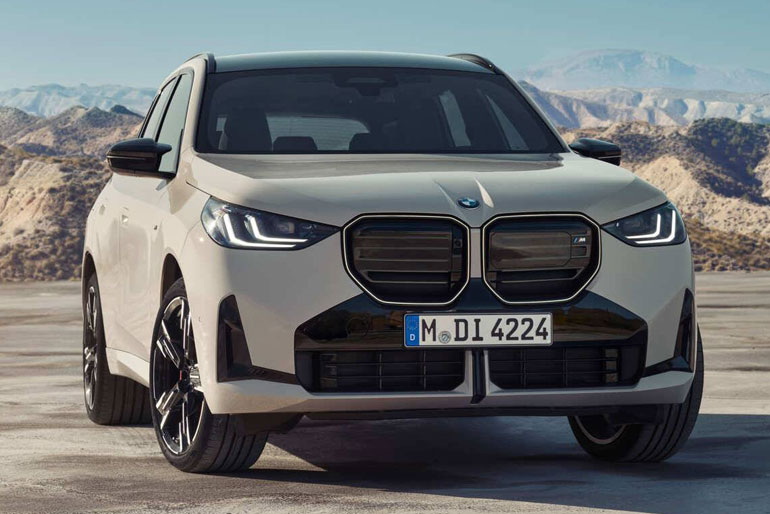
The Moment It Clicked
Second morning I had it, I was doing the most boring drive imaginable — dropping a kid off at school, then hitting a coffee run, then merging onto a highway on-ramp that’s usually a nervous, white-knuckle affair because the merge lane is short and everyone’s going 70.
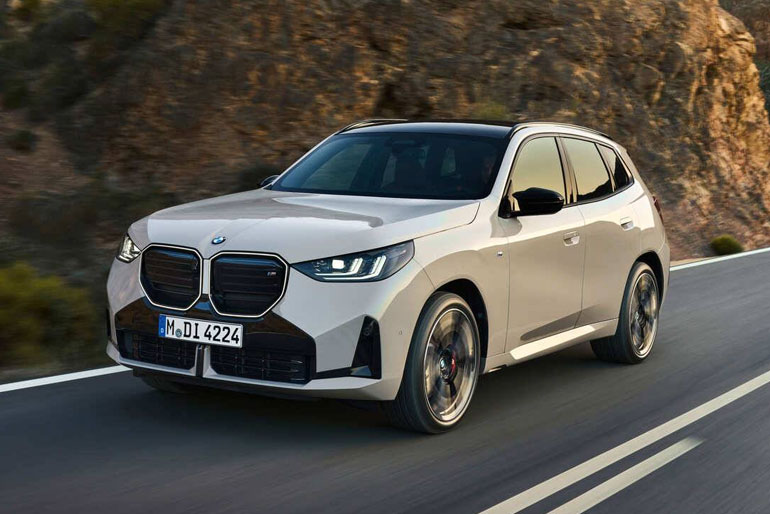
I put my foot down without really thinking about it. And the X3 M Competition just… left. No lag, no drama, no need to brace myself. The twin-turbo 3.0-liter inline-six (BMW’s S58, the same architecture family you’ll find in the M3 and M4) makes 503 horsepower in this Competition trim, and it just delivers it the second you ask.
That’s the thing nobody tells you about these performance SUVs. It’s not the top speed or the 0-60 number that sells you (though 3.5 seconds to 60 is legitimately quick for something this size). It’s how it behaves in the boring 95% of your driving — the on-ramps, the overtakes, the moments you didn’t plan for.
What Surprised Me (Good and Bad)
The good:
- The adaptive M suspension has a genuinely usable comfort mode. I drove it on some rough, patched-up backroads near me, and it didn’t beat me up. That’s not always true of M cars.
- The interior tech — BMW’s Curved Display setup with iDrive 9 — is actually intuitive after about a day of use. I didn’t need to dig through a manual to find climate controls, though I did miss physical buttons for a couple of functions at first.
- Storage and back-seat room are genuinely SUV-like. I fit a stroller, a case of water, and a duffel bag in the trunk without playing Tetris.
The not-so-good:
- Fuel economy is what you’d expect from a 503-hp inline-six — I averaged around 19 mpg combined, worse if you’re enjoying yourself. If you’re coming from a hybrid crossover, this will sting a little at the pump.
- The ride height and stiffer M suspension mean speed bumps in parking garages need actual attention. I clipped one going in too fast on day one — no damage, just a reminder that this isn’t a soft-riding family SUV pretending to be sporty.
- Road noise at highway speed is noticeably more present than in a standard X3, thanks to the wider, stickier tires.
A Mistake I Made (So You Don’t Have To)
I almost skipped test-driving it in comfort mode entirely, because I went in assuming “M Competition” meant it’d be stiff no matter what. Big mistake. If you only drive it in Sport or Sport+ during your test drive, you’re not getting the full picture — this car has a genuinely different personality depending on the drive mode, and comfort mode is what you’ll actually use 80% of the time in daily traffic.
Do this instead: ask the dealer for at least 20 minutes, and cycle through all four drive modes (Comfort, Sport, Sport+, and the customizable Individual mode) on a mix of roads — some highway, some stop-and-go, some rougher pavement. You’ll notice a real difference, and it’ll tell you whether the harsher settings are something you’ll actually use or just something you’ll brag about once and never touch again.
Step-by-Step: How I’d Approach Buying One
If you’re seriously considering this car, here’s the process I’d actually follow, based on what I wish I’d known going in.
1. Decide if you need the Competition trim at all
The regular X3 M (non-Competition, in markets where it’s offered) and even the X3 M50 give you a lot of the same driving feel for meaningfully less money. Competition adds power and some chassis tweaks, but if you’re not tracking the car, ask yourself honestly whether you’ll notice the difference in daily driving.
2. Configure it online first, before you go in
BMW’s configurator lets you build the exact spec and see real pricing before you talk to a salesperson. This saves you from being talked into option packages you don’t need. I’d recommend spending 30 minutes here before setting foot in a dealership.
3. Check for the M Driver’s Package
This raises the electronically limited top speed and includes a session at a BMW driving school. If performance driving even mildly interests you, this is worth asking about specifically — it’s not always advertised up front.
4. Get an insurance quote before you sign anything
Performance SUVs in this power bracket often come with a real insurance jump compared to the standard X3. I’d suggest getting a quote from your provider (I used Progressive and also ran a comparison through Policygenius) before finalizing your order, not after.
5. Test drive on your actual commute roads, not just the dealer’s loop
Ask if you can take it on the roads you drive every day. Dealers often have a set test route that’s flattering — smooth roads, easy corners. Your commute might have potholes, speed bumps, or stop-and-go traffic that tells a very different story.
6. Negotiate the trade-in and financing separately
Don’t let the dealer bundle your trade-in value into the overall deal until you know the real numbers on both sides. I use Edmunds’ True Market Value tool to sanity-check trade-in offers before I even walk in.
Real-World Comparisons Worth Knowing
If you’re cross-shopping, here’s what stood out to me relative to competitors I’ve also spent time in:
- Porsche Macan (gas version): Sharper steering feel, but noticeably less back-seat and cargo room. The X3 M Competition feels like the more livable daily choice if you actually carry passengers regularly.
- Mercedes-AMG GLC 63: More aggressive exhaust note and arguably a more theatrical experience, but fuel economy is rougher, and the price climbs fast with options.
- Audi SQ5: Less powerful, more affordable, and honestly, a really solid choice if 503 hp feels like overkill for your life. Worth cross-shopping if budget is a real constraint.
Common Mistakes People Make With This Car
- Skipping the extended warranty conversation. These are complex, high-output engines. A lot of owners regret not looking into BMW’s extended coverage options before the factory warranty runs out.
- Ignoring tire costs. The staggered performance tire setup isn’t cheap to replace, and they wear faster if you’re driving enthusiastically. Budget for this before you buy, not after your first replacement bill.
- Assuming premium fuel is optional. It’s not — this engine is tuned for premium, and running regular will hurt performance and potentially long-term engine health.
- Not checking on street parking/garage clearance. The M-specific suspension sits a touch lower. If you deal with steep driveways or tight parking structures regularly, it’s worth checking clearance specs against your situation.
So, Is It Worth It?
After a week with it, my honest take is this: the 2026 X3 M Competition isn’t trying to be a track car that happens to have a trunk. It’s a genuinely quick, well-sorted SUV that doesn’t ask you to sacrifice much in daily usability to get there. The fuel costs are real, the tire and maintenance budget is real, and it’s not a car for someone who just wants a comfortable family hauler.
But if you actually want something that feels alive every time you drive it — not just on a track day, but on a random Tuesday commute — this is one of the more convincing performance SUVs I’ve spent real time with. It earned the badge in a way I didn’t expect going in.